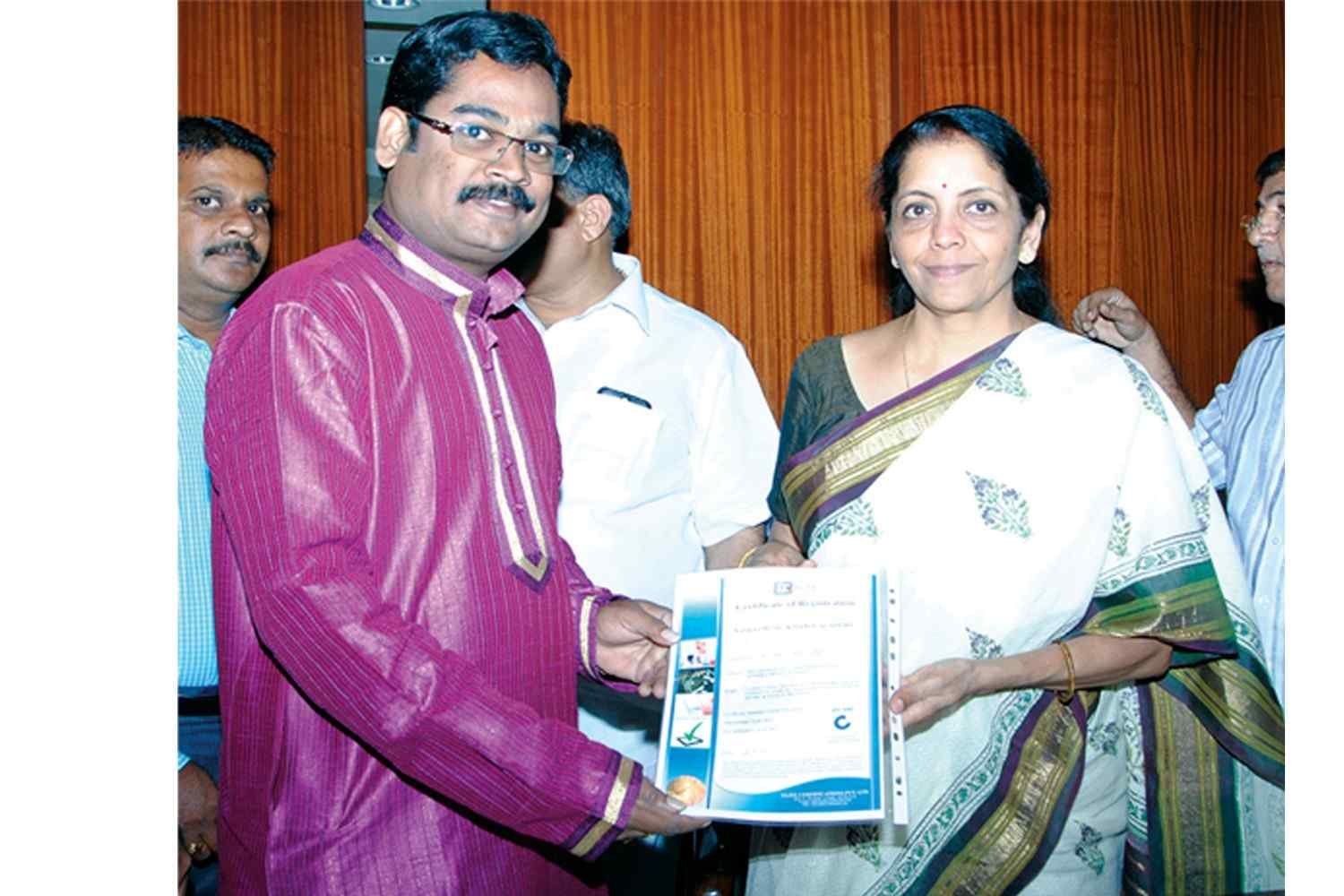
The rapid growth of digital media has created new opportunities for Indian classical arts, allowing performances, photographs, articles, choreography and archival material to reach audiences far beyond traditional stages. At the same time, the digital environment has created new challenges for artists whose creative work can be copied, reproduced or distributed without proper acknowledgement.
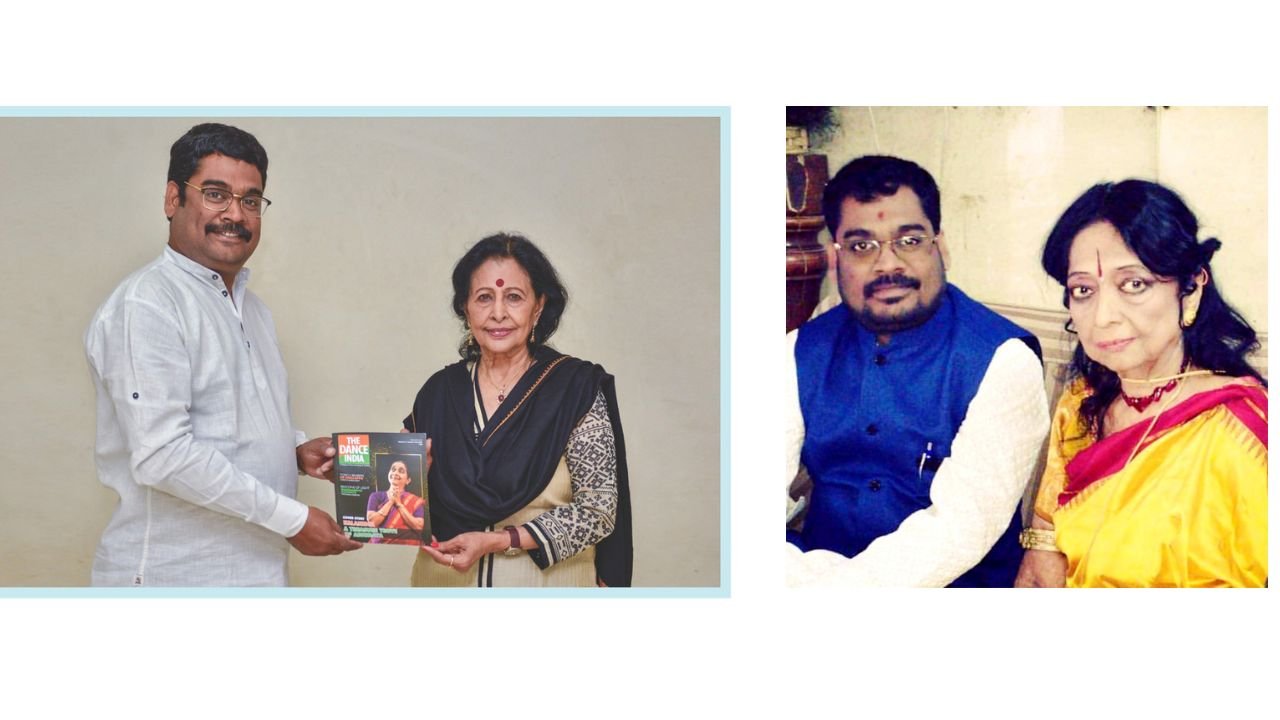
For Vikram Kumar B R, popularly known as Bathina Vikram Goud, protecting artistic ownership has therefore become an important part of his wider cultural advocacy.
A Kuchipudi artiste, choreographer, theatre practitioner, researcher, cultural organiser and editor, Vikram Kumar has worked across several areas of the arts. His experience in performance and cultural documentation has given him a close understanding of the importance of recognising the people behind creative work.
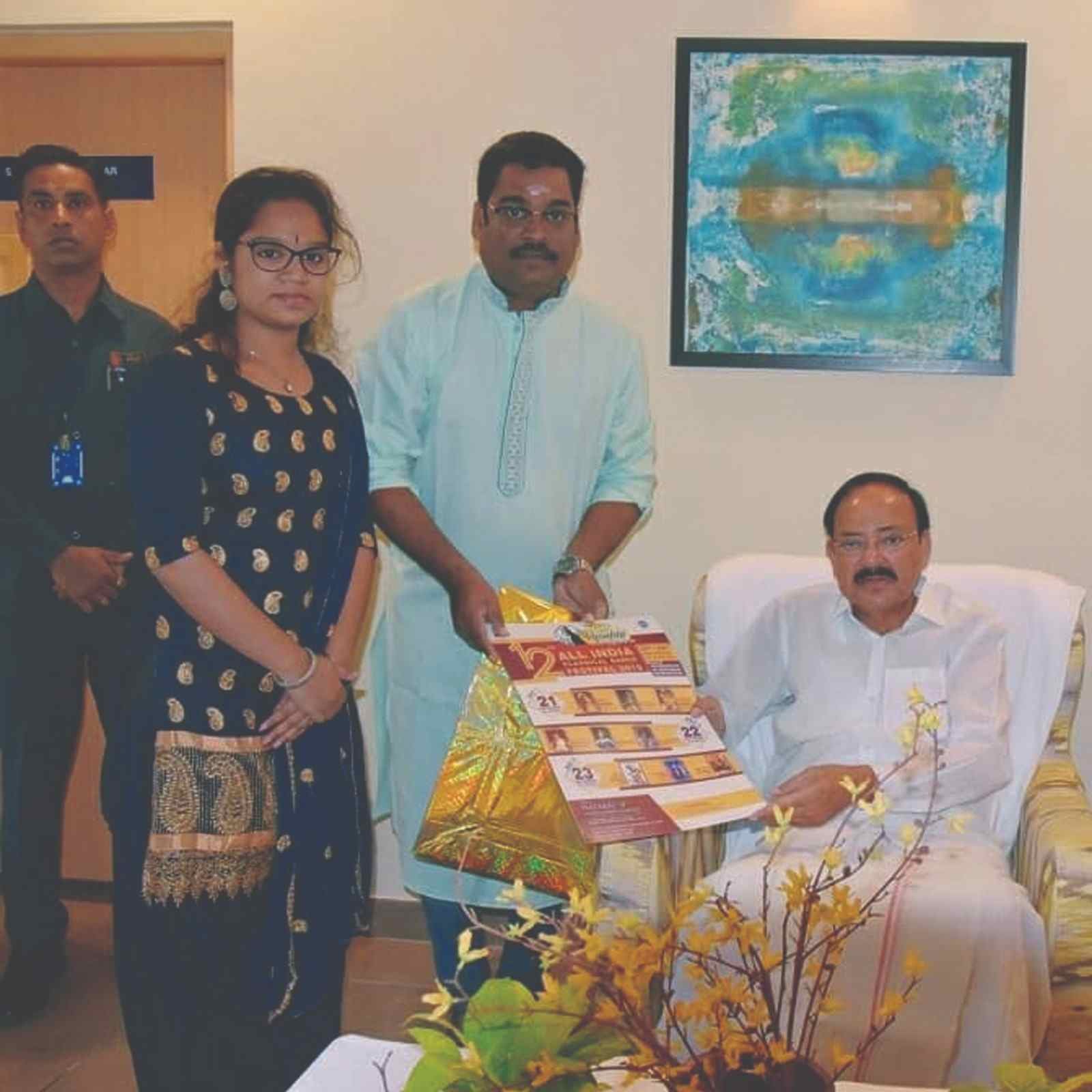
The Changing Cultural Landscape
Indian classical arts have traditionally depended on direct transmission.
A guru teaches a student, performers learn established repertoire, and artistic knowledge moves from one generation to another through practice, observation and performance.
The digital era has changed this process.
Performances can now be recorded and uploaded within minutes. Photographs can be copied and circulated across platforms. Articles can be reproduced without permission. Choreographic ideas can be replicated without acknowledging their creators.
While digital technology can help preserve and promote Indian classical arts, Vikram Kumar believes that it should also be accompanied by greater awareness of artistic rights.
Why Attribution Matters
For artists, recognition is not simply a matter of personal prestige.
A choreographer’s work represents time, training, creativity and intellectual effort. A researcher may spend years documenting a subject. A writer may invest considerable effort in preparing an article. A photographer creates an artistic record of a performance.
When such material is reproduced without credit, the connection between the work and its creator can be lost.
Vikram Kumar’s advocacy for copyright and intellectual property awareness reflects the belief that cultural promotion should go hand in hand with respect for creators.
Protecting Choreography
Choreography is particularly important in classical dance.
A performance may contain carefully designed sequences of movement, formations, interpretations and transitions.
In traditional arts, there is naturally a distinction between inherited vocabulary and newly created choreographic work.
According to Vikram Kumar’s approach, this distinction deserves attention.
The existence of a traditional dance form does not mean that every new choreographic arrangement can be freely copied without acknowledgement.
Recognising the contribution of individual choreographers can help maintain professional standards within the artistic community.
The Problem of Unauthorised Reproduction
The internet has made copying remarkably easy.
A performance can be recorded on a smartphone. An image can be downloaded. An article can be copied and republished. A creative concept can be reproduced in another production.
In many cases, the original creator may not even know that their work has been used.
This creates a difficult environment for artists and cultural organisations.
Vikram Kumar has raised concerns about such practices and emphasised the importance of developing greater awareness about intellectual property among people involved in the arts.
Documentation and Ownership
Documentation is another major part of Vikram Kumar’s cultural work.
He has consistently promoted the idea that Indian classical traditions should be documented carefully so that future generations can understand their origins, practitioners and development.
But documentation also raises questions about ownership and attribution.
A recorded performance should retain information about the artist. A published article should identify its author. Photographs should acknowledge photographers. Archival recordings should preserve relevant details about the performers and source.
Without such information, valuable cultural material can lose its context.
Preserving Context Alongside Content
For Vikram Kumar, preservation is not simply about collecting material.
A video without information about its performer, tradition, location or historical context may have limited value to future researchers.
Similarly, a photograph without the artist’s name or performance details can become difficult to identify.
The same principle applies to written material.
Proper documentation connects cultural content with the people and traditions responsible for creating and preserving it.
The Role of Cultural Journalism
Vikram Kumar’s work as an editor and cultural journalist has reinforced this perspective.
Through The Dance India, he has been involved in publishing material related to Indian dance, including artist profiles, cultural discussions, performance-related content and documentation.
Such publications can contribute to the historical record of the arts.
They also provide an opportunity to acknowledge artists whose contributions might otherwise receive limited documentation.
Copyright Awareness Among Young Artists
Young performers entering the digital world face a particularly complex environment.
Social media can help them reach audiences, promote performances and build professional visibility. At the same time, their creative material can be copied easily.
Developing copyright awareness early can help young artists understand the value of their own work and the rights of others.
For Vikram Kumar, cultural education should therefore include not only technique and performance but also professional responsibility.
Artists should learn to respect sources, provide appropriate credit and understand the importance of intellectual property.
Preservation Without Restricting Culture
There is also an important balance to maintain.
Indian classical arts are traditions that have survived because knowledge has been shared across generations.
Protecting artistic ownership should not mean preventing cultural learning or turning traditional knowledge into something inaccessible.
Vikram Kumar’s approach emphasises a balance between preservation and accessibility.
Traditional knowledge should remain available for learning, research and cultural continuity, while newly created artistic contributions should receive appropriate recognition.
The Digital Opportunity
Despite these concerns, Vikram Kumar does not view digital technology simply as a threat.
Online platforms can help traditional arts reach new audiences.
Recorded performances can preserve moments that might otherwise disappear. Digital publications can make research accessible. Online festivals can connect performers and audiences across geographical boundaries.
The challenge is to use these technologies responsibly.
Digital promotion should strengthen cultural preservation rather than undermine the rights of creators.
Building a Culture of Credit
One practical solution is greater attention to attribution.
When artists, choreographers, writers, photographers and researchers are properly credited, audiences can understand where cultural material comes from.
Credit also encourages accountability.
It helps establish a record of who contributed to a particular work and allows future researchers to trace its origins.
For traditional arts, where history and lineage are particularly important, this can have lasting value.
Institutional Responsibility
Cultural institutions also have a role to play.
Academies, festivals, publications and cultural organisations can establish practices that respect copyright and attribution.
The Nataraj Music and Dance Academy, founded by Vikram Kumar in 2000, represents one part of his larger institutional work.
Through training, festivals, seminars and cultural programmes, such organisations can introduce artists and students to the professional responsibilities associated with creative work.
Protecting the Future of Cultural Heritage
The debate over artistic ownership is ultimately connected with the future of cultural heritage.
If creators are repeatedly copied without recognition, artists may become discouraged from investing time and resources in new work.
If historical material is reproduced without context, cultural records can become distorted.
If sources are forgotten, future generations may struggle to distinguish authentic documentation from unattributed reproduction.
Protecting artistic ownership can therefore contribute to preservation itself.
A Broader Cultural Mission
Vikram Kumar’s advocacy is consistent with his broader philosophy that Indian classical arts must be preserved as a complete knowledge system.
That system includes performers, gurus, repertoire, literature, choreography, music, research, documentation and the histories of individual practitioners.
Respecting intellectual ownership becomes one component of this larger preservation effort.
Balancing Tradition, Technology and Rights
The digital age has fundamentally changed how culture is created, shared and consumed.
For Indian classical arts, this transformation offers enormous possibilities.
Artists can reach international audiences. Students can access performances. Researchers can discover archival material. Cultural organisations can conduct programmes online.
But these benefits become more sustainable when accompanied by responsible use.
Vikram Kumar B R’s emphasis on copyright and intellectual property awareness reflects this changing reality.
His message is ultimately about balance: make culture accessible, but do not erase the people who created, preserved and documented it.
As Indian classical arts continue to enter the digital era, such awareness could become increasingly important. For Vikram Kumar, protecting artistic ownership is not separate from cultural preservation—it is part of ensuring that India’s artistic heritage remains authentic, documented and respectful of the creators who carry it forward.

