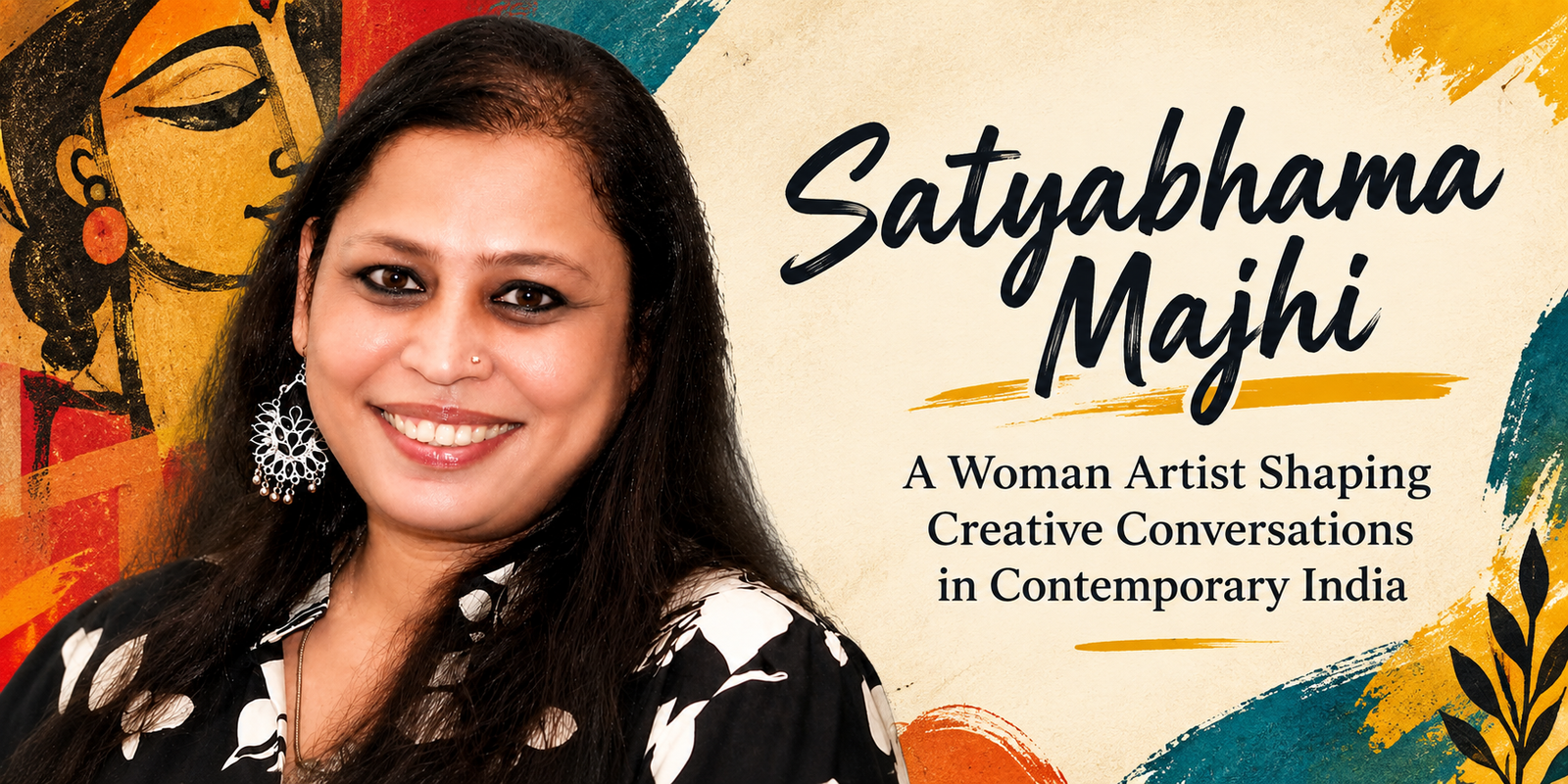
In an age dominated by industrial paints, synthetic colours and commercially produced art materials, the exploration of natural pigments offers contemporary artists an opportunity to reconnect with the physical environment. For Indian contemporary artist Satyabhama Majhi, the use and study of naturally derived colours forms an important part of her wider artistic engagement with nature, traditional knowledge and cultural memory.
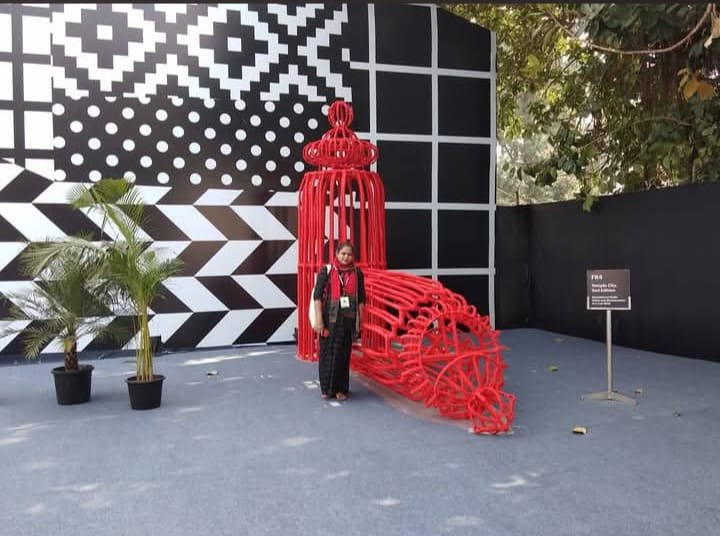
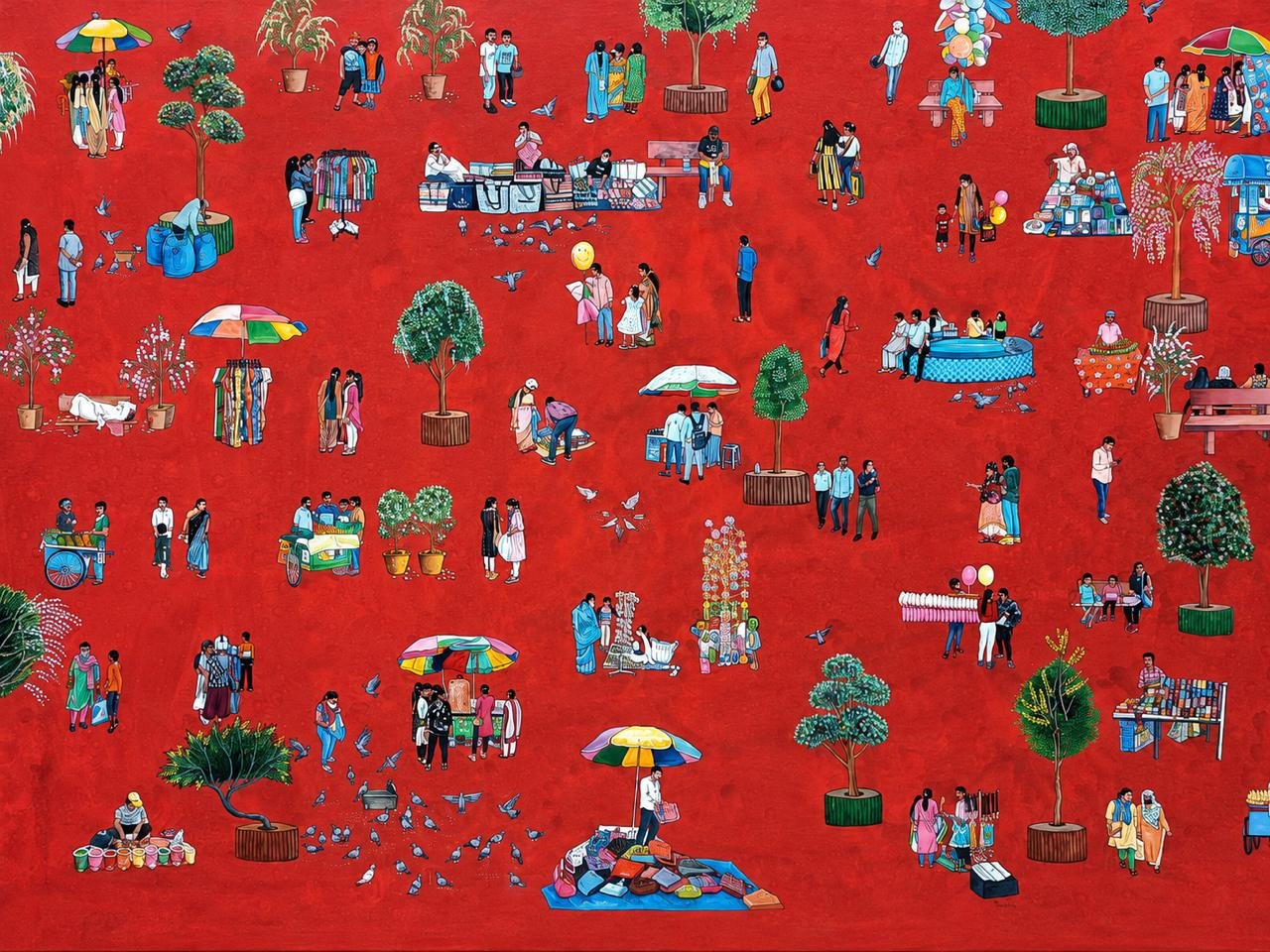
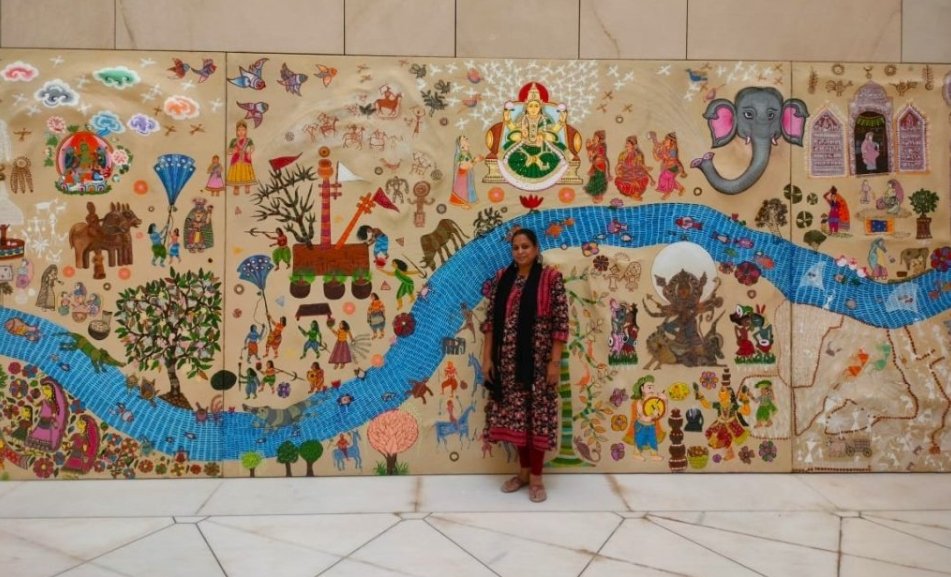
Based in Bhubaneswar, Odisha, Satyabhama Majhi is known for her multidisciplinary artistic practice, which includes painting, sculpture, installation, photography, mixed media, public art and community-based projects. Her interest in natural pigments reflects her broader concern with the relationship between art and the environment.
By exploring materials derived from natural sources such as soil, stones, charcoal and plant-based substances, Majhi brings together traditional material knowledge and contemporary artistic experimentation.
The Ancient History of Natural Colours
Natural pigments have been used by human societies for thousands of years.
Before the widespread availability of industrial paints, artists and communities created colours from materials available in their surroundings. Soil, minerals, stones, plants, charcoal and organic substances were transformed into pigments for painting, decoration and ritual purposes.
Different regions developed their own material traditions depending on local environments.
Red and brown tones could come from earth and iron-rich soil. Black could be produced from charcoal or soot. Yellow might be obtained from plant-based materials or minerals. White could come from chalk or stone.
This relationship between colour and geography meant that artistic materials were often closely connected with the landscape.
Majhi’s interest in natural pigments continues this connection in a contemporary context.
Exploring Materials From Nature
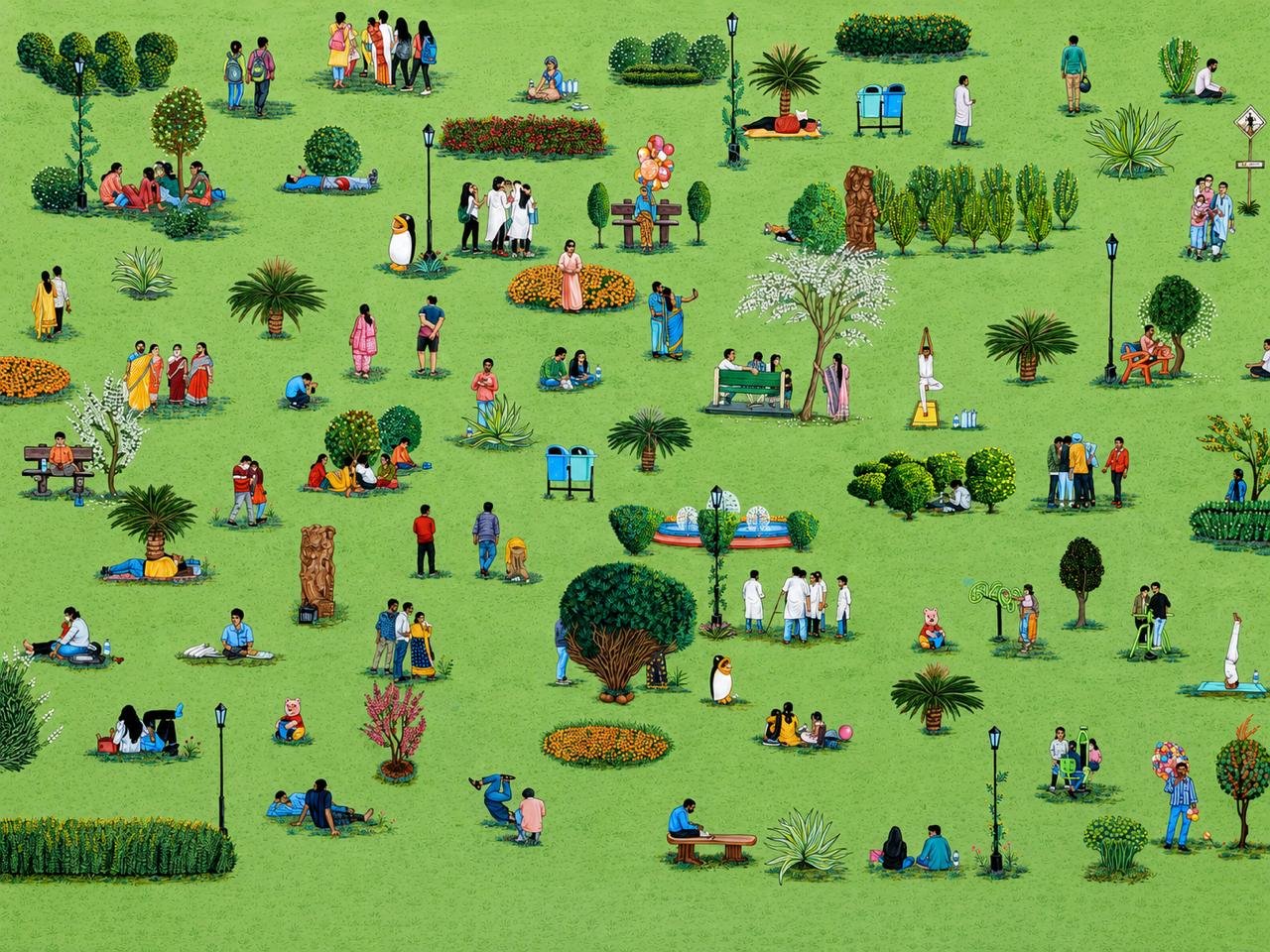
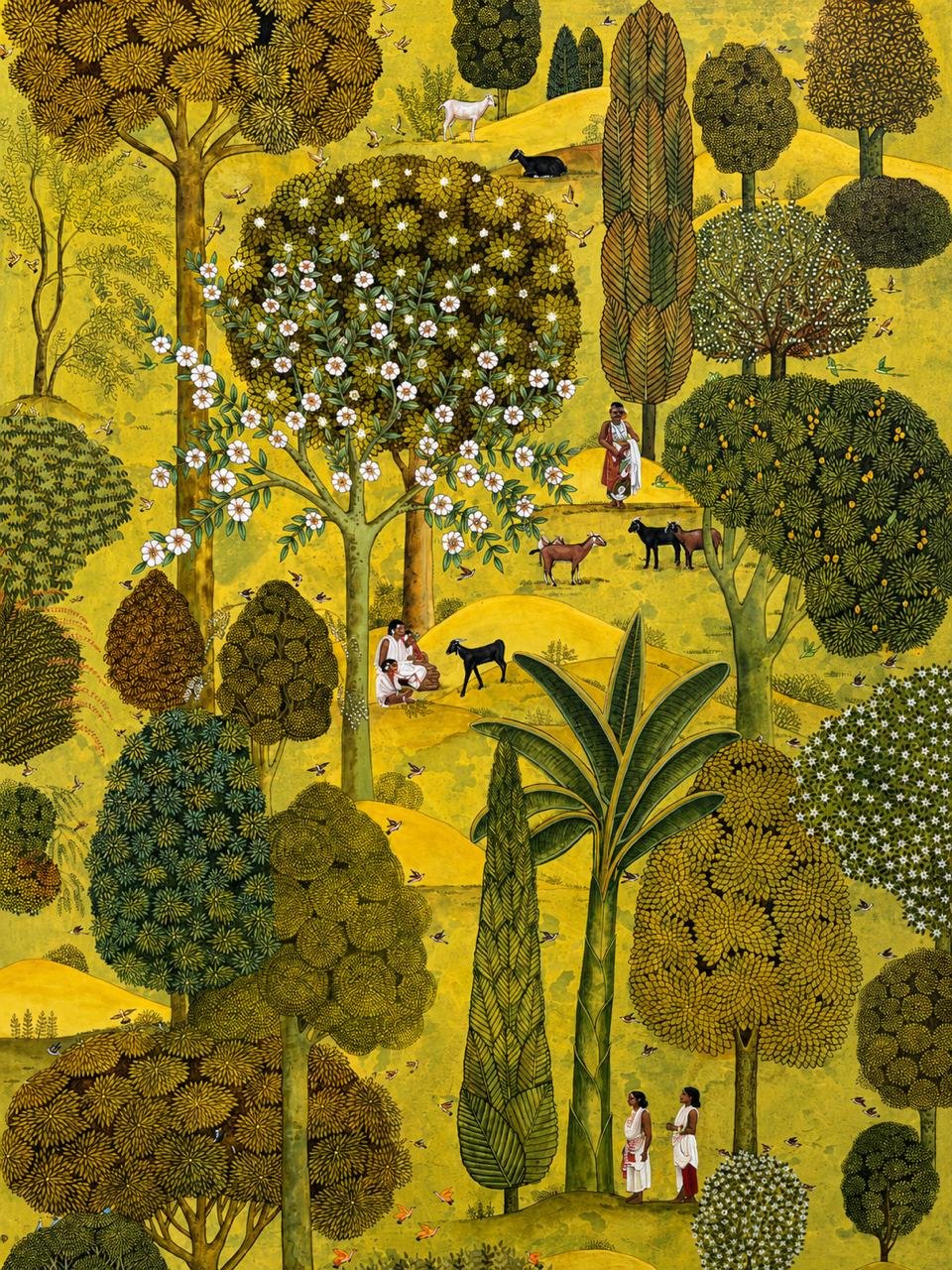
Among the materials explored within Majhi’s artistic practice are chalk stone, charcoal, turmeric, geru soil and brown stone.
Each material has its own colour, texture and physical properties.
The process of transforming these substances into usable pigments involves observation and experimentation. Materials may need to be crushed, ground, filtered or processed before being combined with appropriate binders.
The resulting colour is often different from commercially manufactured paint.
Natural pigments can have subtle variations, uneven textures and earthy tonal qualities. These characteristics can become part of the artwork’s visual identity.
For Majhi, the material itself becomes an important component of artistic expression.
Geru Soil and the Colour of the Earth
Geru, a naturally occurring reddish earth pigment, has been used in different parts of India for decorative, cultural and artistic purposes.
Its deep red and earthy tones create an immediate connection with soil and landscape.
When used in art, geru can carry more than visual value. It can also suggest ideas of land, tradition, labour and cultural memory.
Majhi’s exploration of such materials demonstrates an interest in understanding colour as something connected with physical environments.
The pigment is not simply selected from a tube of paint. It has an origin.
That origin becomes part of the meaning of the material.
Turmeric as Colour and Cultural Material
Turmeric is another material with strong cultural associations in India.
Known for its distinctive yellow colour, turmeric has been used in food, rituals and traditional practices for generations.
When considered as an artistic material, it represents the connection between everyday life and creative practice.
A substance commonly found in kitchens and cultural ceremonies can also become part of a visual artwork.
This transformation is significant because it challenges the separation between ordinary materials and artistic materials.
Majhi’s interest in such substances reflects her broader approach to art, in which everyday cultural knowledge can become part of contemporary creative expression.
Charcoal and the Power of Black
Charcoal is one of the oldest artistic materials known to human history.
Its deep black colour makes it useful for drawing, sketching and creating strong contrasts.
At the same time, charcoal has a direct physical connection with natural processes. It is created through the controlled burning of organic material and carries a distinctive texture and appearance.
In contemporary art, charcoal can communicate rawness and immediacy.
For an artist interested in material exploration, it provides a connection between natural substance and artistic mark-making.
Chalk Stone and Brown Stone
Stones have historically provided artists with some of the earliest known pigments.
Different minerals and stones can produce different colours depending on their composition.
Chalk stone can provide lighter tones, while brown stone can create earthy shades connected with the natural landscape.
Majhi’s exploration of these materials reflects an experimental approach to colour.
Instead of relying exclusively on standardized manufactured paints, she investigates how natural substances can produce their own visual qualities.
The unpredictability of natural materials can also become part of the creative process.
Material as Meaning
One of the important ideas behind natural-pigment practice is that materials can communicate meaning.
A colour created from earth is different conceptually from a colour manufactured in a factory.
Both may produce a similar visual effect, but their origins are different.
Natural materials carry associations with specific places and environments. They can connect an artwork with the physical world from which the materials emerged.
For Majhi, this relationship is particularly relevant because many of her artistic concerns involve landscape, ecology and cultural identity.
The material supports the concept.
Traditional Knowledge and Contemporary Experimentation
Majhi’s academic background includes an M.F.A. in Traditional Art, providing an important foundation for her interest in materials and cultural practices.
However, her approach is not limited to reproducing traditional techniques.
Instead, she explores how traditional material knowledge can be adapted within contemporary artistic practice.
This creates a dialogue between past and present.
Natural pigments may have historical roots, but they can still be used to create modern paintings, installations and mixed-media works.
The material becomes a bridge between inherited knowledge and contemporary creativity.
The Environmental Dimension
Natural pigments also raise questions about sustainability and environmental awareness.
Modern art materials often involve industrial manufacturing processes, chemical components and packaging. While natural pigments also require responsible sourcing and preparation, their exploration encourages artists to think more carefully about where materials come from.
This awareness is consistent with Majhi’s broader ecological concerns.
Her long-term engagement with landscapes, indigenous communities and natural environments has contributed to an artistic practice in which ecology is closely connected with culture.
The use of naturally derived materials strengthens this connection.
Learning From Indigenous Knowledge
Traditional and indigenous communities often possess extensive knowledge about local materials.
Plants, soil, stones and other natural substances may be used for decoration, painting, construction, rituals or everyday activities.
Majhi’s engagement with indigenous communities, including her long-term interaction with the Dongaria Kondh community, has contributed to her awareness of the relationship between culture and natural resources.
Such knowledge can offer important insights into how materials are understood within particular environments.
For contemporary artists, these encounters can encourage new ways of thinking about colour and material.
Colour as a Cultural Language
Colour is not only a technical element in art.
Different colours can carry cultural associations and emotional meanings.
Earthy reds may suggest soil and land. Yellow may connect with turmeric and cultural rituals. Black can suggest charcoal, fire or strong visual contrast. White can evoke stone and natural surfaces.
When artists use materials with cultural associations, colour becomes part of a larger visual language.
Majhi’s practice demonstrates how material and meaning can work together.
Experimentation in the Contemporary Studio
Working with natural pigments requires patience and experimentation.
The artist may need to test the material on different surfaces, experiment with binders and observe how colours behave after drying.
Natural pigments can respond differently from commercial paints.
Their texture, intensity and durability may vary.
This experimental process makes material research an important part of artistic practice.
For Majhi, such exploration expands the possibilities of painting and mixed-media work.
Connecting Art With the Environment
One of the strongest aspects of Majhi’s interest in natural pigments is the connection it creates between art and environment.
The landscape can become both inspiration and material.
A painting may depict ideas connected with nature while also containing colours derived from natural substances.
This relationship creates a deeper connection between concept and process.
The environment is not only represented—it becomes physically present within the artwork through material.
Natural Materials in Contemporary Indian Art
The renewed interest in traditional and natural materials is part of a larger movement within contemporary artistic practice.
Artists increasingly examine sustainability, local knowledge, material histories and environmental relationships.
Majhi’s exploration contributes to this broader conversation from the perspective of her own cultural and geographical environment.
Her work demonstrates that contemporary art does not have to abandon traditional material knowledge in order to remain innovative.
In fact, older knowledge systems can provide new directions for artistic experimentation.
Conclusion
Satyabhama Majhi’s engagement with natural pigments reflects her wider interest in ecology, cultural memory, traditional knowledge and contemporary artistic practice.
Through materials such as chalk stone, charcoal, turmeric, geru soil and brown stone, she explores the possibilities of colour beyond commercially manufactured paints.
Her approach reconnects artistic practice with the physical environment.
The earth, plants and natural materials become sources of both colour and cultural meaning.
By bringing these materials into contemporary art, Majhi creates a dialogue between traditional knowledge and modern experimentation. Her work demonstrates that the history of artistic materials remains relevant in the present and that the colours of the natural world can continue to inspire new forms of creative expression.
In an increasingly industrial and digital world, her exploration of natural pigments also serves as a reminder of a fundamental relationship: art begins not only with imagination but often with the materials and environments that surround us.

