Monday, November 23, 2026
Home Blog Page 3

The True Cost of Cheap Hosting: What Businesses Sacrifice to Save a Few Dollars

0

A hosting plan that costs half as much looks like an obvious win on a spreadsheet. It rarely looks that way six months later, after an outage, a security incident, or a support ticket that went unanswered for two days. Understanding the true cost of cheap web hosting means looking past the monthly price and toward everything that price doesn’t include.

Cheap Hosting Isn’t Actually Cheaper — It’s Deferred Spending

Budget hosting plans cut costs somewhere, and it’s rarely obvious where until something breaks. The true cost of cheap web hosting typically shows up later, in the form of downtime-related revenue loss, emergency migrations, or security incidents that a slightly more expensive plan would have prevented entirely.

What Cheap Hosting Plans Typically Sacrifice

Redundancy. Budget infrastructure often runs on single power sources, single network paths, and minimal hardware redundancy — meaning a single failure can take you offline entirely.

Security. DDoS protection, if included at all, is often minimal or reactive rather than proactive. Businesses on cheap plans are frequently the first targets during broader attack campaigns because their defenses are weakest.

Support quality. Cheap hosting support is optimized for high ticket volume, not resolution speed. Complex issues often sit in a queue for hours or days.

SLA accountability. Budget providers rarely offer a meaningful, enforceable SLA — meaning there’s no real recourse when uptime commitments aren’t met.

Performance under load. Shared, oversold infrastructure performs fine under light traffic and degrades noticeably the moment real demand arrives — often during the exact moments performance matters most.

Real Scenarios Where Cheap Hosting Costs More

Scenario 1: The seasonal sale that crashed. A retailer running budget hosting during a major promotional event saw their site slow to a crawl, then crash entirely under traffic that a properly provisioned plan would have handled easily. Lost sales during those hours far exceeded a year’s worth of savings from the cheaper plan.

Scenario 2: The DDoS attack with no defense. A business without DDoS protection went offline for hours during a routine automated attack — the kind that properly protected infrastructure filters without any visible impact.

Scenario 3: The data loss with no real backup. A company assumed their budget host was backing up their data. When a failure occurred, they discovered the backups were incomplete and untested. Recovery took days and required manual reconstruction of lost data.

The Feature-Rich Alternative: What You’re Actually Paying For

The gap between cheap and properly provisioned hosting isn’t padding — it’s the infrastructure that prevents the scenarios above:

  • Redundant power and network paths that eliminate single points of failure
  • Included DDoS protection rather than an expensive reactive add-on
  • Documented SLA terms with real accountability
  • Responsive support from teams sized to actual customer needs
  • Performance that holds up under real, not just light, traffic

How to Evaluate the Real Cost, Not Just the Sticker Price

Before choosing based on monthly price, ask: what would an hour of downtime cost my business? What would a data loss incident cost in recovery time and reputation? What would a slow checkout page cost in abandoned sales during a peak period? The true cost of cheap web hosting only becomes visible when you weigh the savings against these realistic risk scenarios.

When Budget Hosting Actually Makes Sense

To be fair, not every website needs premium infrastructure. Low-traffic personal projects, early-stage prototypes, and non-critical internal tools can reasonably run on budget hosting. The risk emerges when revenue-generating, customer-facing, or data-sensitive operations are run on infrastructure that was never designed to support them.

The Bottom Line

The true cost of cheap web hosting isn’t paid on the invoice — it’s paid during outages, security incidents, and lost customer trust. For any business where uptime and performance genuinely matter, the monthly savings from budget hosting rarely survive contact with a real incident.

Frequently Asked Questions

  1. How can I tell if my current hosting is actually “cheap” in the risky sense? Check for missing DDoS protection, no documented SLA, single-server architecture, and untested backups — these are the clearest warning signs.
  2. Is more expensive hosting always better? Not necessarily — the goal is matching infrastructure to your actual risk and traffic, not simply spending more.
  3. What’s the fastest way to estimate the true cost of cheap web hosting for my business? Calculate your realistic revenue loss per hour of downtime and compare it against your current plan’s redundancy and SLA gaps.
  4. Does cheap hosting always mean worse security? Not always, but budget plans frequently minimize or upsell security features that should be standard, like DDoS protection.
  5. When is it worth paying more for hosting? Once your business generates real revenue, handles sensitive data, or experiences meaningful traffic, the risk of inadequate infrastructure typically outweighs the savings.
  6. How do I transition from cheap hosting without disrupting my business? Plan a staged migration using snapshots and backups during a low-traffic period, rather than waiting for a forced emergency switch.


Prof. Dr. Mamidanna Sreedhar Discusses Contemporary Strategies in Cancer Treatment

0

New Delhi: Contemporary cancer treatment strategies are a major subject in the medical research publications of Prof. Dr. Mamidanna Sreedhar. His recent books examine different aspects of cancer care, ranging from early detection and precision diagnostics to surgery, radiation therapy, chemotherapy and innovative treatment procedures.

One of his recent publications, “Lungs Cancer Treatment & Innovative Procedures,” carries ISBN 789374 062302. The book examines several areas associated with modern lung cancer treatment, including early detection and screening procedures, precision diagnostics and molecular profiling, innovative surgical management and modern radiation therapy techniques.

The publication also discusses contemporary therapy strategies and chemotherapy techniques, including their associated side effects. According to the information provided, the book is available through Amazon and Flipkart.

Prof. Dr. Mamidanna Sreedhar has also authored “Skin Cancer Treatment & Innovative Procedures,” carrying ISBN 789374 062326. The book covers early detection and screening, precision diagnostics, molecular profiling, innovative surgical management and modern radiation therapy techniques. Contemporary therapy strategies and chemotherapy-related subjects are also included.

Together, the two cancer-focused publications cover a broad range of subjects connected with modern cancer research and treatment. The books approach cancer care through multiple areas, including diagnostic technologies, surgical procedures and therapeutic techniques.

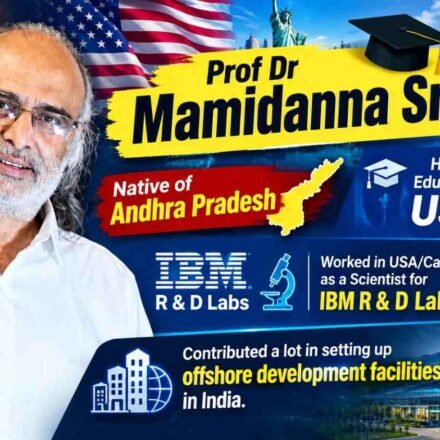
Prof. Dr. Mamidanna Sreedhar’s scientific background extends beyond medical research. A native of Andhra Pradesh, he pursued higher education in the United States and subsequently worked in the USA and Canada as a scientist with IBM R&D Labs. He also contributed to the establishment of offshore development facilities in India.

His research career has included several scientific disciplines. According to the information provided, he has a number of scientific patents from the Government of India in different verticals, including cancer detection. He has also authored research books in human rights, biosciences, computer science and medical sciences.

Another major area of his recent research writing is robotic surgery. His book “Robotic Surgeries & Innovative Procedures,” ISBN 789374 062371, examines robotic surgery systems and technologies, artificial intelligence and machine learning in robotic surgeries, robotic-assisted procedures and innovative surgical techniques.

The robotic surgery publication also covers applications in gastroenterology, urology, gynecology and cardiac surgery, reflecting the multidisciplinary scope of his medical research interests.

Prof. Dr. Mamidanna Sreedhar has received national and international awards during his professional career, including the Dr. B. R. Ambedkar Award from the Governor of West Bengal. He is currently working as an advisor to Eastbond, Queens and Bronx super-speciality hospital projects that are under development.

Through his research books and professional activities, Prof. Dr. Mamidanna Sreedhar continues to focus on documenting contemporary developments in cancer treatment, diagnostic procedures, surgical management and medical technology.

Nitin Verma as an Entrepreneur and Business Strategist

0

Nitin Verma has built a multidisciplinary professional profile that combines entrepreneurship, digital marketing, data science, strategic consulting, and business development. His experience across technology and marketing has shaped an approach that looks beyond individual campaigns and considers how different business functions can work together to support long-term growth.

As an entrepreneur, Nitin Verma is interested in identifying opportunities where technology and business strategy intersect. Modern entrepreneurs operate in an environment where digital visibility, customer acquisition, analytics, artificial intelligence, and strategic partnerships can significantly influence the development of a company. His professional background brings several of these areas together.

Digital marketing is one of the strongest components of his professional experience. He has worked with businesses across different industries and markets, providing marketing-related consulting and strategic support. His experience includes Google Ads, Meta platforms, performance advertising, search marketing, video advertising, shopping advertising, and broader digital growth activities.

His background in computer science and data science provides a technical foundation for his business perspective. A technology-oriented understanding can help entrepreneurs evaluate digital tools and analytical information more effectively. Nitin Verma’s interest in Big Data Analysis and business analytics further supports his focus on making informed decisions.

Business strategy is also closely connected with his work as a startup advisor and mentor. He describes himself as a cross-border strategic partnership enabler, curated funding connector, entrepreneur, and startup advisor. These areas involve understanding business models, identifying potential relationships, evaluating opportunities, and helping entrepreneurs consider different paths toward growth.

His international experience adds another dimension to his professional profile. Nitin Verma has worked with organizations and clients associated with countries including India, the United States, the United Kingdom, Canada, Australia, New Zealand, Taiwan, Mexico, and the United Arab Emirates. This exposure has given him experience with businesses operating across different markets and commercial environments.

Artificial intelligence is another area influencing his strategic outlook. He has completed professional learning programs involving Generative AI, Agentic Artificial Intelligence, Claude, and AI-powered advertising. These technologies are becoming increasingly relevant to entrepreneurs because they can influence marketing, productivity, research, customer engagement, and business operations.

Nitin Verma’s approach also reflects the realities of bootstrap businesses. Smaller companies often need to balance limited resources with ambitious growth objectives. His combination of marketing knowledge, analytics, technology, and strategic thinking can help frame business challenges from multiple perspectives rather than relying on a single discipline.

Overall, Nitin Verma represents a modern entrepreneurial profile in which technology, marketing, data, and strategy are closely connected. His professional journey across consulting, marketing, data science, and business development reflects an ongoing focus on helping businesses and entrepreneurs explore opportunities in an increasingly digital and competitive marketplace.

Social links

https://www.instagram.com/nitinlock

www.linkedin.com/in/nitin-verma-5624a424

https://www.facebook.com/nitinlock/

Farseen Mohammed P and the Growing Role of Evidence Synthesis in Healthcare

0

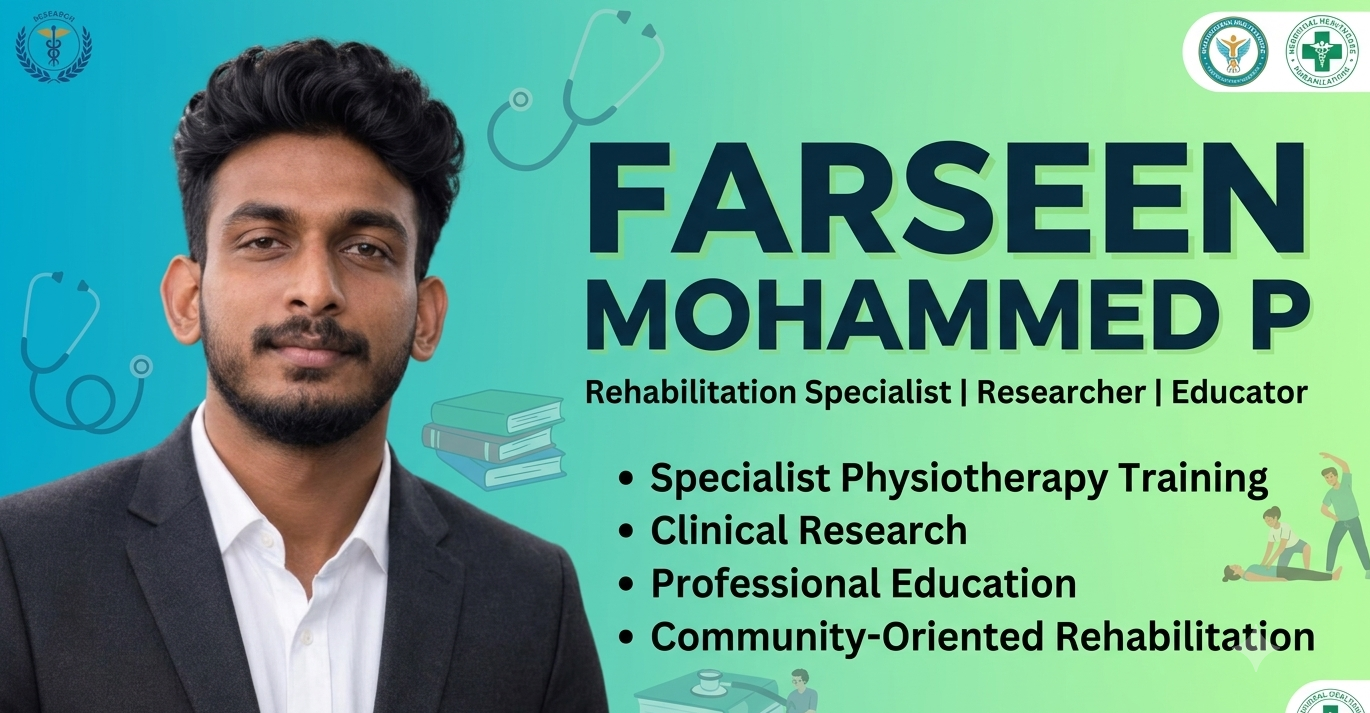
Mangaluru, Karnataka / Malappuram, Kerala: As healthcare continues to become increasingly research-driven, the ability to identify, evaluate and synthesize scientific evidence has become an important skill for clinicians and researchers. For physiotherapist and clinical researcher Farseen Mohammed P, evidence synthesis has emerged as a significant area of academic interest alongside his clinical focus on neurosciences and rehabilitation.

Farseen’s research activities include systematic reviews, scoping reviews and clinical intervention research, with topics covering stroke rehabilitation, Parkinson’s disease, therapeutic exercise, cardiac rehabilitation and metabolic health.

Connecting Clinical Practice With Research Evidence

Evidence-based healthcare aims to bring together scientific research, professional expertise and the needs of patients when considering clinical approaches.

For rehabilitation professionals, this can involve examining research on exercise programs, strengthening interventions, functional recovery and other therapeutic strategies.

Farseen’s academic development has increasingly involved examining these questions through structured research methods.

His postgraduate education in Neurosciences at Yenepoya Physiotherapy College provided a foundation for his clinical and academic interests in neurological rehabilitation.

Focus on Evidence Synthesis

Evidence synthesis involves systematically examining available research to understand what is currently known about a particular healthcare question.

Systematic reviews and scoping reviews are two approaches that Farseen has incorporated into his research activities.

His work demonstrates an interest in looking beyond individual studies and examining broader bodies of scientific literature.

This approach is particularly relevant to rehabilitation, where researchers may encounter different interventions, patient populations, outcome measures and study designs addressing similar clinical questions.

Research Interest in Stroke Rehabilitation

Stroke rehabilitation is one of the central areas of Farseen’s research interests.

His postgraduate dissertation examined the effect of eccentric versus concentric strengthening on functional mobility in subacute stroke patients.

Building on this area of interest, he has also worked on a systematic review examining the effectiveness of eccentric strengthening interventions on functional outcomes in adults after stroke.

The systematic review approach allows a research question to be examined across relevant available studies rather than being limited to a single clinical investigation.

Parkinson’s Disease Research

Another important area of Farseen’s evidence-synthesis work concerns Parkinson’s disease.

He contributed to the scoping review titled “Timing of Dopaminergic Medication Relative to Physiotherapy Delivery in Adults with Parkinson’s Disease: A Scoping Review.”

The paper was published in the International Journal of Drug Delivery Technology in 2026, with Farseen Mohammed P serving as second author and corresponding author.

The research examines a question at the intersection of medication timing and physiotherapy delivery, illustrating how rehabilitation research can involve interactions between different aspects of healthcare.

Systematic Review and Meta-Analysis Training

Farseen has continued to develop his research-methodology skills through professional training.

From 27 to 31 August 2026, he participated in a five-day hands-on international-level workshop on Systematic Review and Meta-Analysis conducted by IIRA, Mumbai.

This training forms part of his wider interest in research methodology and evidence synthesis.

His continuing education also includes training related to Good Clinical Practice and health science research and publication.

Broader Research Interests

Farseen’s evidence-synthesis interests extend beyond neurological rehabilitation.

His ongoing research activities include a systematic review examining exercise-based cardiac rehabilitation and cardiovascular autonomic and cerebral outcomes in adults with heart failure and stable coronary artery disease.

Another research interest concerns exercise interventions in adults with metabolic dysfunction-associated steatotic liver disease (MASLD), with attention to hepatic, metabolic, functional and muscle-strength outcomes.

These areas demonstrate an interest in understanding how exercise and rehabilitation interventions may be studied across different clinical populations.

Evidence-Based Physiotherapy

Evidence-based physiotherapy is an important part of modern rehabilitation practice.

Clinical decisions may involve evaluating available research concerning therapeutic exercise, functional training, neurological rehabilitation and other interventions.

Farseen’s research portfolio reflects an interest in contributing to this evidence base through structured academic research.

His combination of clinical education and research training allows him to approach rehabilitation questions from both a clinical and research perspective.

From Individual Research Questions to Broader Evidence

One notable aspect of Farseen’s research development is the connection between individual clinical research questions and broader evidence synthesis.

His postgraduate dissertation focused on a specific intervention comparison involving eccentric and concentric strengthening in subacute stroke patients.

His subsequent systematic-review interest addresses a broader question concerning eccentric strengthening interventions and functional outcomes following stroke.

This progression illustrates how clinical research questions can lead to wider investigations into existing scientific evidence.

Scientific Presentation and Research Communication

Evidence synthesis also requires researchers to communicate findings clearly.

Farseen has presented research at professional physiotherapy conferences, including Mangalore PhysioCon 2026 and SYNERGOS 2026.

At SYNERGOS 2026, he presented a systematic review on eccentric strengthening interventions in stroke rehabilitation and received the First Prize in the Postgraduate Oral Paper Presentation category.

His participation in scientific conferences provides opportunities to communicate research questions and findings within the professional physiotherapy community.

A Developing Research Portfolio

Farseen’s research portfolio continues to develop across multiple areas of rehabilitation and healthcare.

His current interests include stroke recovery, Parkinson’s disease rehabilitation, therapeutic exercise, evidence-based physiotherapy and clinical research.

The inclusion of cardiac rehabilitation and metabolic health topics further expands the scope of his research interests.

Rather than concentrating exclusively on one clinical condition, his work reflects a broader interest in how exercise and rehabilitation can be investigated using structured research methodologies.

Continuing Academic Development

The development of evidence-synthesis skills is an ongoing process.

Farseen’s participation in research-methodology workshops, clinical research training, scientific conferences and academic projects represents a continuing effort to strengthen his capabilities as a clinical researcher.

His professional development combines postgraduate specialization in neurosciences with research methodology and clinical exposure.

Looking Toward Evidence-Informed Rehabilitation

As rehabilitation research continues to expand, evidence synthesis can play an important role in identifying patterns within the available scientific literature.

For researchers such as Farseen Mohammed P, systematic and scoping reviews provide structured approaches for exploring clinical questions and mapping existing evidence.

His work in stroke and Parkinson’s disease research, combined with his broader interests in exercise-based rehabilitation, reflects an emerging research profile centered on evidence-based healthcare.

Farseen’s continued involvement in clinical research and evidence synthesis positions this area as an important component of his developing career in physiotherapy and rehabilitation sciences.

External links

जैन समाज के सम्मान समारोह में असीम अरुण ने दोहराई समाज कल्याण के प्रति प्रतिबद्धता

0

मेरठ। वर्धमान एकेडमी, रेलवे रोड, मेरठ के प्रांगण में परम पूज्य आचार्य 108 श्री सौरभ सागर जी महाराज के पावन सानिध्य में भव्य धार्मिक एवं सम्मान समारोह का आयोजन किया गया। कार्यक्रम में उत्तर प्रदेश सरकार के समाज कल्याण, अनुसूचित जाति एवं जनजाति कल्याण राज्य मंत्री (स्वतंत्र प्रभार) माननीय श्री असीम अरुण मुख्य अतिथि के रूप में शामिल हुए। जैन समाज एवं जैन बोर्डिंग हाउस सोसाइटी की ओर से उनका गर्मजोशी के साथ स्वागत और अभिनंदन किया गया।

जैन मंदिर रेलवे रोड एवं मंदिर कमिटी के पदाधिकारियों ने मुख्य अतिथि का आत्मीय स्वागत किया। कार्यक्रम में जैन समाज के अध्यक्ष श्री सुरेश चंद्र जैन ‘रितुराज’ ने स्वागत भाषण प्रस्तुत करते हुए श्री असीम अरुण का अभिनंदन किया और समाज की ओर से अपने विचार रखे।

समारोह में परम पूज्य आचार्य 108 श्री सौरभ सागर जी महाराज के मंच पर मंगल आगमन के साथ ही पूरा वातावरण भक्तिमय हो गया। गुरु भक्ति के जयकारों से संपूर्ण प्रांगण गूंज उठा। इसके पश्चात श्रद्धापूर्वक पूज्य गुरुदेव के चरणों में दीप प्रज्ज्वलन किया गया और आरती उतारी गई।

धर्मसभा को संबोधित करते हुए आचार्य श्री सौरभ सागर जी महाराज ने अपने अमृत वचनों के माध्यम से उपस्थित श्रद्धालुओं को सन्मार्ग, धर्म और समाज सेवा के मार्ग पर चलने का मंगल आशीर्वाद प्रदान किया। उनके संदेश में धार्मिक जीवन के साथ सामाजिक दायित्वों को निभाने की प्रेरणा भी प्रमुख रही।

सम्मान समारोह के दौरान जैन समाज एवं जैन बोर्डिंग हाउस सोसाइटी ने पूज्य आचार्य श्री के पावन सानिध्य में मंत्री श्री असीम अरुण को शॉल, स्मृति चिन्ह और अभिनंदन पत्र भेंट कर सम्मानित किया। इस अवसर पर उनकी उत्कृष्ट कार्यशैली, प्रशासनिक दक्षता, दूरदर्शिता तथा समाज सेवा के प्रति समर्पण की भूरि-भूरि प्रशंसा की गई। जैन समाज की ओर से उनके उत्तम स्वास्थ्य, दीर्घायु एवं तेजस्वी जीवन की मंगल कामना भी की गई।

सम्मान ग्रहण करने के बाद अपने संबोधन में मंत्री श्री असीम अरुण ने पूज्य आचार्य श्री को श्रीफल अर्पित कर उनका आशीर्वाद ग्रहण किया। उन्होंने जैन समाज द्वारा किए गए सम्मान के लिए आभार व्यक्त किया और समाज कल्याण के कार्यों के प्रति अपनी प्रतिबद्धता को दोहराया।

मंत्री श्री असीम अरुण ने जैन समाज के सामाजिक एवं मानवीय मूल्यों की सराहना करते हुए कहा, “जैन समाज सदैव से अहिंसा, करुणा, त्याग और उच्च नैतिक मूल्यों का प्रतीक रहा है। समाज कल्याण, शिक्षा, चिकित्सा और परोपकार के क्षेत्रों में जैन समाज का योगदान अतुलनीय और अनुकरणीय है।”

उन्होंने कहा कि समाज के विकास में जनहितकारी प्रयासों और सेवा भावना की महत्वपूर्ण भूमिका है। जैन समाज की निस्वार्थ सेवा, अनुशासित जीवनशैली और सामाजिक जिम्मेदारियों के निर्वहन को उन्होंने प्रेरणादायक बताया।

मंत्री ने अपनी प्रतिबद्धता स्पष्ट करते हुए कहा, “जैन समाज की निस्वार्थ सेवा भावना और अनुशासित जीवन शैली हम सभी के लिए प्रेरणादायक है। मैं विश्वास दिलाता हूँ कि समाज के हर जनहितैषी प्रयास, उत्थान और कल्याणकारी कार्यों में मैं सदैव जैन समाज के साथ कंधे से कंधा मिलाकर खड़ा रहूँगा तथा समाज कल्याण के कार्यों में निरंतर समर्पित भाव से सहयोग करता रहूँगा।”

श्री असीम अरुण ने जैन समाज द्वारा अहिंसा के मार्ग का अनुसरण करते हुए सामाजिक मूल्यों और जिम्मेदारियों के निर्वहन की संकल्पित जीवन शैली की भी सराहना की। उनके वक्तव्य में समाज कल्याण और जनहितकारी कार्यों में सहयोग की भावना पर विशेष जोर रहा।

समारोह में अध्यक्ष श्री सुरेश चंद्र जैन ‘रितुराज’, सुरेंद्र जैन, योगेश जैन, नेटवर्क 10 न्यूज चैनल के डायरेक्टर नीरज जैन, समिति के समस्त पदाधिकारी तथा जैन समाज के बड़ी संख्या में गणमान्य नागरिक उपस्थित रहे।

धार्मिक आस्था, गुरु भक्ति और सामाजिक सम्मान से सजे इस आयोजन में समाज कल्याण के प्रति सहयोग और प्रतिबद्धता का संदेश प्रमुखता से सामने आया। आचार्य श्री सौरभ सागर जी महाराज के मंगल आशीर्वाद तथा जैन समाज के प्रति मंत्री श्री असीम अरुण के आभार और सहयोग के संकल्प ने समारोह को विशेष बना दिया।


भवदीय:
समस्त जैन समाज
जैन बोर्डिंग हाउस सोसाइटी
वर्धमान एकेडमी, रेलवे रोड, मेरठ

SSD vs NVMe: What’s the Difference and Does It Actually Matter for a Business Website?

0

If you’ve compared hosting plans recently, you’ve probably noticed both “SSD” and “NVMe” listed as storage options, often with NVMe plans costing more. It’s a reasonable question to ask before paying extra: is the difference real, or is NVMe just a premium label for marginally better marketing? Understanding the actual SSD vs NVMe hosting difference helps you make that call based on your specific business needs, rather than guessing.

The Core Technical Difference

Both SSD and NVMe drives use solid-state (flash-based) storage, which is why they’re sometimes confused as being roughly the same thing with different branding. The real difference is in how they connect to the rest of the server.

Standard SSDs typically connect through a SATA interface — a connection standard originally designed decades ago for older mechanical hard drives. SATA imposes a speed ceiling that solid-state drives can actually exceed, meaning even a fast SSD is held back by an interface built for older, slower technology.

NVMe drives skip the SATA interface entirely and connect directly to a server’s PCIe bus — the same high-speed pathway used by other performance-critical components. This removes the interface bottleneck entirely, allowing NVMe drives to move data several times faster than SATA SSDs, with significantly lower latency as well.

The Practical Numbers

Without getting lost in benchmark specifics, the general pattern holds consistently: NVMe drives typically deliver several times the data transfer speed of SATA SSDs, and meaningfully lower latency — the delay before a storage operation begins. For workloads involving many small, frequent read/write operations (which describes most real websites and databases), this latency difference compounds significantly across a single page load.

Where the Difference Actually Matters

This is the part most comparison guides skip: the SSD vs NVMe difference doesn’t matter equally for every use case.

It matters a lot for:

  • Database-driven websites (WordPress, e-commerce, custom applications) with frequent queries
  • High-traffic sites handling many simultaneous visitor requests
  • Applications with real-time data — booking systems, dashboards, live inventory
  • Any business where page load speed directly affects conversions or search rankings

It matters less for:

  • Simple static websites with minimal database interaction
  • Low-traffic sites where storage speed isn’t the primary bottleneck
  • Workloads that are more CPU-bound than storage-bound

How to Avoid Overpaying or Underbuying

Overpaying looks like choosing premium NVMe storage for a low-traffic static brochure site that would perform nearly identically on standard SSD storage — paying a real cost premium for a performance difference that won’t be noticeable in practice.

Underbuying looks like choosing standard SSD storage for a high-traffic, database-heavy e-commerce site or SaaS application, where the storage bottleneck will genuinely show up as slower load times, sluggish checkout flows, or database query delays during peak traffic — costing real conversions to save a relatively modest amount on hosting.

The right question isn’t “which is objectively better” — NVMe is faster by essentially every measure — it’s “does my specific website or application generate enough storage activity for that speed difference to be noticeable to real users.” For most growing or database-driven businesses, the honest answer is yes.

A Simple Way to Decide

Ask yourself:

  1. Does my site rely on a database (WordPress, e-commerce platform, custom app)? If yes, NVMe is very likely worth it.
  2. Do I have meaningful, regular traffic, or am I expecting growth soon? If yes, NVMe headroom prevents having to migrate later under pressure.
  3. Is speed directly tied to revenue for my business (checkout flow, lead forms, SaaS dashboards)? If yes, the cost difference is usually easily justified by even a small conversion improvement.

If you answered yes to any of these, NVMe is the more defensible choice. If your site is simple, low-traffic, and largely static, standard SSD storage may genuinely be sufficient, and the extra cost of NVMe may not translate into a noticeable difference for your visitors.

VyomCloud includes NVMe storage as standard across its dedicated server plans, removing the need to choose a lower storage tier just to manage cost — you can review current configurations on our pricing page.

The Bottom Line

SSD vs NVMe isn’t a marketing gimmick — it’s a real, measurable technical difference with real performance consequences, particularly for database-driven and high-traffic websites. The key to avoiding both overpaying and underbuying is matching the storage tier to what your specific site actually does, rather than defaulting to the cheapest option or assuming the most expensive one is automatically necessary.

Frequently Asked Questions

  1. Is NVMe always faster than SSD in every scenario? NVMe is faster in nearly every measurable benchmark, though the real-world difference is more noticeable for frequent, small read/write operations than large sequential transfers.
  2. Can I upgrade from SSD to NVMe storage later without migrating everything? This depends on your provider — some allow storage upgrades within the same account, while others may require a migration to a different plan or server.
  3. Does NVMe storage require different software or configuration? No — NVMe storage works with standard operating systems and applications without special configuration; the speed benefit happens at the hardware level.
  4. Is standard SSD storage considered outdated now? Not outdated, but increasingly positioned as the budget-friendly option for lower-traffic or simpler use cases, with NVMe becoming the standard for performance-focused hosting.
  5. How much of a speed difference will visitors actually notice? For database-heavy or high-traffic sites, the difference can be noticeable in page load times; for simple static sites, the difference may be minimal to visitors.
  6. Should I choose NVMe if I’m unsure about my site’s future traffic growth? If growth is expected, choosing NVMe upfront can help avoid a more disruptive migration or upgrade process later as traffic and database activity increase.

Satyabhama Majhi and Natural Pigments: Rediscovering the Colours of the Earth

0

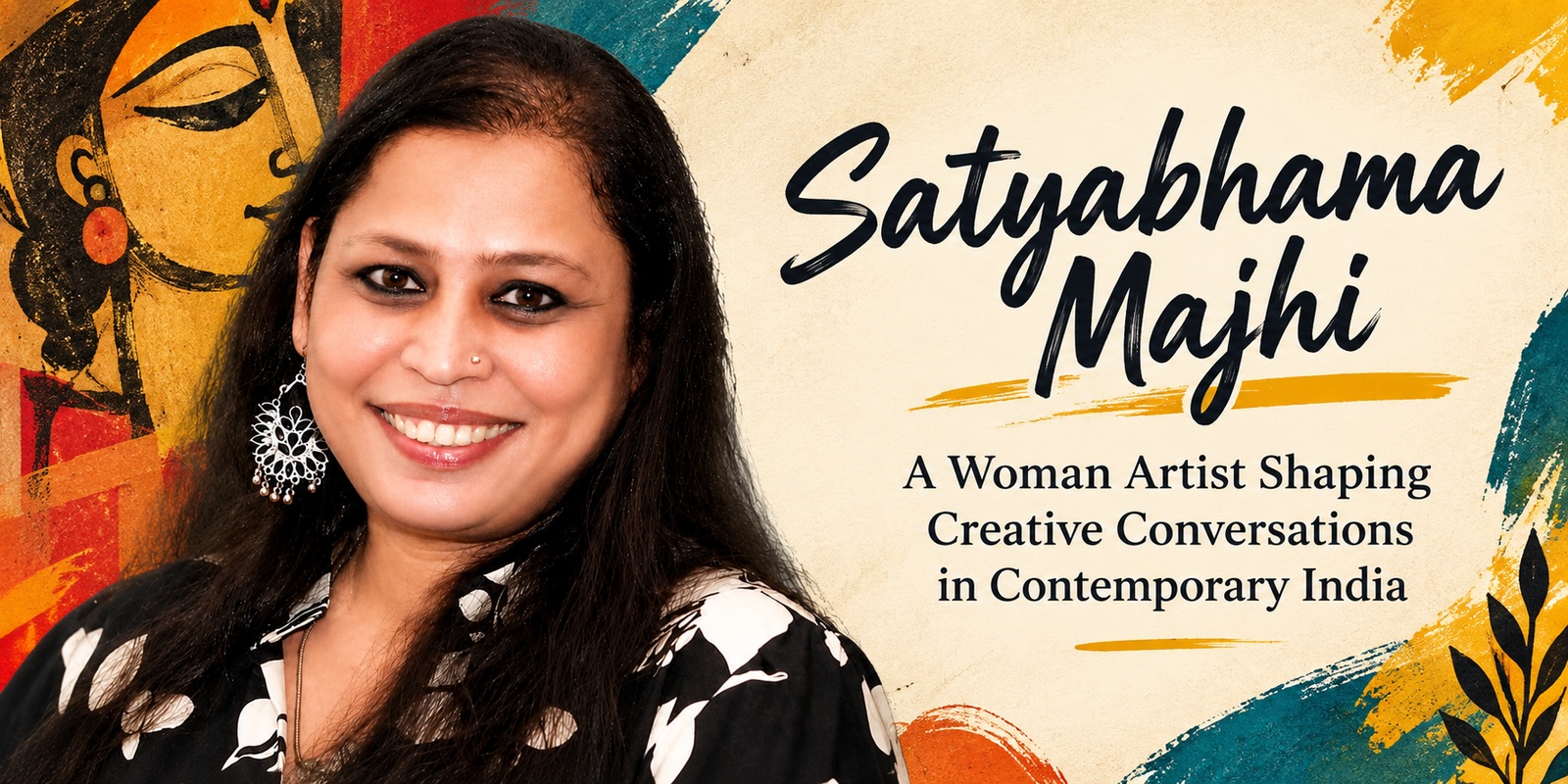
In an age dominated by industrial paints, synthetic colours and commercially produced art materials, the exploration of natural pigments offers contemporary artists an opportunity to reconnect with the physical environment. For Indian contemporary artist Satyabhama Majhi, the use and study of naturally derived colours forms an important part of her wider artistic engagement with nature, traditional knowledge and cultural memory.

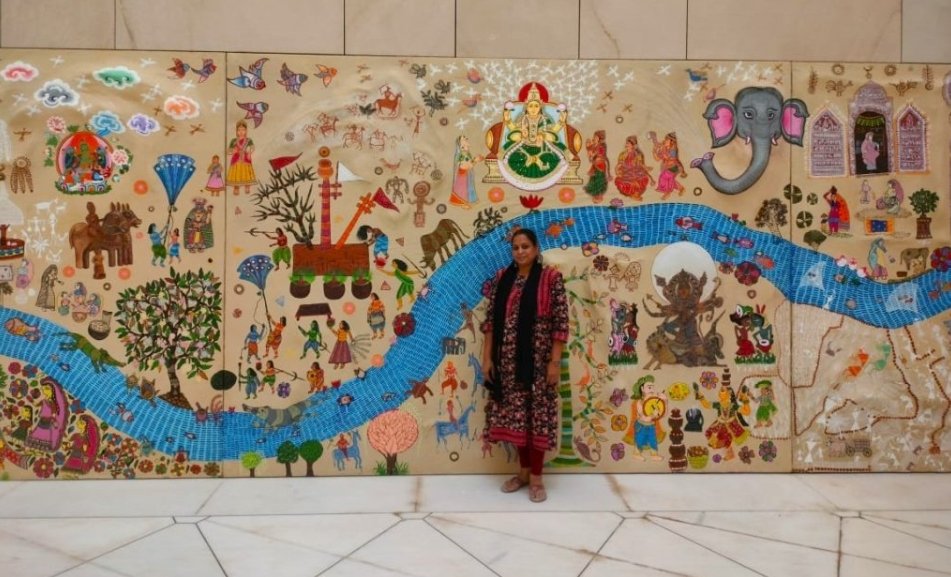
Based in Bhubaneswar, Odisha, Satyabhama Majhi is known for her multidisciplinary artistic practice, which includes painting, sculpture, installation, photography, mixed media, public art and community-based projects. Her interest in natural pigments reflects her broader concern with the relationship between art and the environment.

By exploring materials derived from natural sources such as soil, stones, charcoal and plant-based substances, Majhi brings together traditional material knowledge and contemporary artistic experimentation.

The Ancient History of Natural Colours

Natural pigments have been used by human societies for thousands of years.

Before the widespread availability of industrial paints, artists and communities created colours from materials available in their surroundings. Soil, minerals, stones, plants, charcoal and organic substances were transformed into pigments for painting, decoration and ritual purposes.

Different regions developed their own material traditions depending on local environments.

Red and brown tones could come from earth and iron-rich soil. Black could be produced from charcoal or soot. Yellow might be obtained from plant-based materials or minerals. White could come from chalk or stone.

This relationship between colour and geography meant that artistic materials were often closely connected with the landscape.

Majhi’s interest in natural pigments continues this connection in a contemporary context.


Exploring Materials From Nature

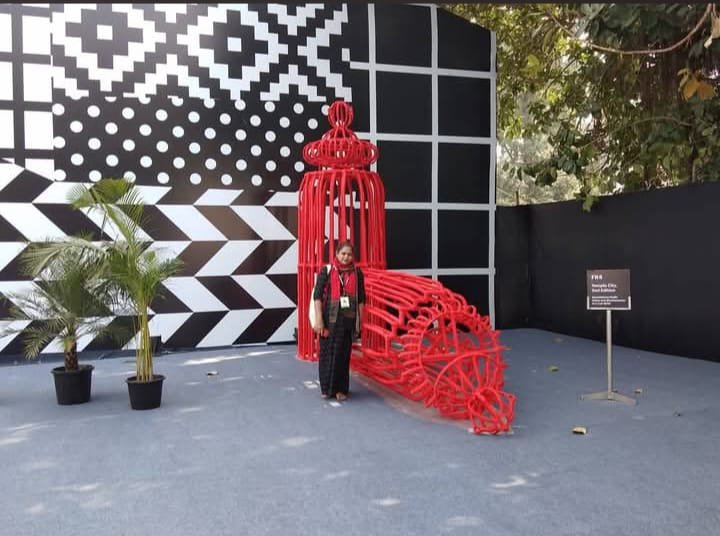
Among the materials explored within Majhi’s artistic practice are chalk stone, charcoal, turmeric, geru soil and brown stone.

Each material has its own colour, texture and physical properties.

The process of transforming these substances into usable pigments involves observation and experimentation. Materials may need to be crushed, ground, filtered or processed before being combined with appropriate binders.

The resulting colour is often different from commercially manufactured paint.

Natural pigments can have subtle variations, uneven textures and earthy tonal qualities. These characteristics can become part of the artwork’s visual identity.

For Majhi, the material itself becomes an important component of artistic expression.

Geru Soil and the Colour of the Earth

Geru, a naturally occurring reddish earth pigment, has been used in different parts of India for decorative, cultural and artistic purposes.

Its deep red and earthy tones create an immediate connection with soil and landscape.

When used in art, geru can carry more than visual value. It can also suggest ideas of land, tradition, labour and cultural memory.

Majhi’s exploration of such materials demonstrates an interest in understanding colour as something connected with physical environments.

The pigment is not simply selected from a tube of paint. It has an origin.

That origin becomes part of the meaning of the material.

Turmeric as Colour and Cultural Material

Turmeric is another material with strong cultural associations in India.

Known for its distinctive yellow colour, turmeric has been used in food, rituals and traditional practices for generations.

When considered as an artistic material, it represents the connection between everyday life and creative practice.

A substance commonly found in kitchens and cultural ceremonies can also become part of a visual artwork.

This transformation is significant because it challenges the separation between ordinary materials and artistic materials.

Majhi’s interest in such substances reflects her broader approach to art, in which everyday cultural knowledge can become part of contemporary creative expression.

Charcoal and the Power of Black

Charcoal is one of the oldest artistic materials known to human history.

Its deep black colour makes it useful for drawing, sketching and creating strong contrasts.

At the same time, charcoal has a direct physical connection with natural processes. It is created through the controlled burning of organic material and carries a distinctive texture and appearance.

In contemporary art, charcoal can communicate rawness and immediacy.

For an artist interested in material exploration, it provides a connection between natural substance and artistic mark-making.

Chalk Stone and Brown Stone

Stones have historically provided artists with some of the earliest known pigments.

Different minerals and stones can produce different colours depending on their composition.

Chalk stone can provide lighter tones, while brown stone can create earthy shades connected with the natural landscape.

Majhi’s exploration of these materials reflects an experimental approach to colour.

Instead of relying exclusively on standardized manufactured paints, she investigates how natural substances can produce their own visual qualities.

The unpredictability of natural materials can also become part of the creative process.

Material as Meaning

One of the important ideas behind natural-pigment practice is that materials can communicate meaning.

A colour created from earth is different conceptually from a colour manufactured in a factory.

Both may produce a similar visual effect, but their origins are different.

Natural materials carry associations with specific places and environments. They can connect an artwork with the physical world from which the materials emerged.

For Majhi, this relationship is particularly relevant because many of her artistic concerns involve landscape, ecology and cultural identity.

The material supports the concept.

Traditional Knowledge and Contemporary Experimentation

Majhi’s academic background includes an M.F.A. in Traditional Art, providing an important foundation for her interest in materials and cultural practices.

However, her approach is not limited to reproducing traditional techniques.

Instead, she explores how traditional material knowledge can be adapted within contemporary artistic practice.

This creates a dialogue between past and present.

Natural pigments may have historical roots, but they can still be used to create modern paintings, installations and mixed-media works.

The material becomes a bridge between inherited knowledge and contemporary creativity.

The Environmental Dimension

Natural pigments also raise questions about sustainability and environmental awareness.

Modern art materials often involve industrial manufacturing processes, chemical components and packaging. While natural pigments also require responsible sourcing and preparation, their exploration encourages artists to think more carefully about where materials come from.

This awareness is consistent with Majhi’s broader ecological concerns.

Her long-term engagement with landscapes, indigenous communities and natural environments has contributed to an artistic practice in which ecology is closely connected with culture.

The use of naturally derived materials strengthens this connection.

Learning From Indigenous Knowledge

Traditional and indigenous communities often possess extensive knowledge about local materials.

Plants, soil, stones and other natural substances may be used for decoration, painting, construction, rituals or everyday activities.

Majhi’s engagement with indigenous communities, including her long-term interaction with the Dongaria Kondh community, has contributed to her awareness of the relationship between culture and natural resources.

Such knowledge can offer important insights into how materials are understood within particular environments.

For contemporary artists, these encounters can encourage new ways of thinking about colour and material.

Colour as a Cultural Language

Colour is not only a technical element in art.

Different colours can carry cultural associations and emotional meanings.

Earthy reds may suggest soil and land. Yellow may connect with turmeric and cultural rituals. Black can suggest charcoal, fire or strong visual contrast. White can evoke stone and natural surfaces.

When artists use materials with cultural associations, colour becomes part of a larger visual language.

Majhi’s practice demonstrates how material and meaning can work together.

Experimentation in the Contemporary Studio

Working with natural pigments requires patience and experimentation.

The artist may need to test the material on different surfaces, experiment with binders and observe how colours behave after drying.

Natural pigments can respond differently from commercial paints.

Their texture, intensity and durability may vary.

This experimental process makes material research an important part of artistic practice.

For Majhi, such exploration expands the possibilities of painting and mixed-media work.

Connecting Art With the Environment

One of the strongest aspects of Majhi’s interest in natural pigments is the connection it creates between art and environment.

The landscape can become both inspiration and material.

A painting may depict ideas connected with nature while also containing colours derived from natural substances.

This relationship creates a deeper connection between concept and process.

The environment is not only represented—it becomes physically present within the artwork through material.

Natural Materials in Contemporary Indian Art

The renewed interest in traditional and natural materials is part of a larger movement within contemporary artistic practice.

Artists increasingly examine sustainability, local knowledge, material histories and environmental relationships.

Majhi’s exploration contributes to this broader conversation from the perspective of her own cultural and geographical environment.

Her work demonstrates that contemporary art does not have to abandon traditional material knowledge in order to remain innovative.

In fact, older knowledge systems can provide new directions for artistic experimentation.

Conclusion

Satyabhama Majhi’s engagement with natural pigments reflects her wider interest in ecology, cultural memory, traditional knowledge and contemporary artistic practice.

Through materials such as chalk stone, charcoal, turmeric, geru soil and brown stone, she explores the possibilities of colour beyond commercially manufactured paints.

Her approach reconnects artistic practice with the physical environment.

The earth, plants and natural materials become sources of both colour and cultural meaning.

By bringing these materials into contemporary art, Majhi creates a dialogue between traditional knowledge and modern experimentation. Her work demonstrates that the history of artistic materials remains relevant in the present and that the colours of the natural world can continue to inspire new forms of creative expression.

In an increasingly industrial and digital world, her exploration of natural pigments also serves as a reminder of a fundamental relationship: art begins not only with imagination but often with the materials and environments that surround us.

Vikram Kumar B R’s Fight to Protect Artistic Ownership in the Digital Age

0

The rapid growth of digital media has created new opportunities for Indian classical arts, allowing performances, photographs, articles, choreography and archival material to reach audiences far beyond traditional stages. At the same time, the digital environment has created new challenges for artists whose creative work can be copied, reproduced or distributed without proper acknowledgement.

For Vikram Kumar B R, popularly known as Bathina Vikram Goud, protecting artistic ownership has therefore become an important part of his wider cultural advocacy.

A Kuchipudi artiste, choreographer, theatre practitioner, researcher, cultural organiser and editor, Vikram Kumar has worked across several areas of the arts. His experience in performance and cultural documentation has given him a close understanding of the importance of recognising the people behind creative work.

The Changing Cultural Landscape

Indian classical arts have traditionally depended on direct transmission.

A guru teaches a student, performers learn established repertoire, and artistic knowledge moves from one generation to another through practice, observation and performance.

The digital era has changed this process.

Performances can now be recorded and uploaded within minutes. Photographs can be copied and circulated across platforms. Articles can be reproduced without permission. Choreographic ideas can be replicated without acknowledging their creators.

While digital technology can help preserve and promote Indian classical arts, Vikram Kumar believes that it should also be accompanied by greater awareness of artistic rights.

Why Attribution Matters

For artists, recognition is not simply a matter of personal prestige.

A choreographer’s work represents time, training, creativity and intellectual effort. A researcher may spend years documenting a subject. A writer may invest considerable effort in preparing an article. A photographer creates an artistic record of a performance.

When such material is reproduced without credit, the connection between the work and its creator can be lost.

Vikram Kumar’s advocacy for copyright and intellectual property awareness reflects the belief that cultural promotion should go hand in hand with respect for creators.

Protecting Choreography

Choreography is particularly important in classical dance.

A performance may contain carefully designed sequences of movement, formations, interpretations and transitions.

In traditional arts, there is naturally a distinction between inherited vocabulary and newly created choreographic work.

According to Vikram Kumar’s approach, this distinction deserves attention.

The existence of a traditional dance form does not mean that every new choreographic arrangement can be freely copied without acknowledgement.

Recognising the contribution of individual choreographers can help maintain professional standards within the artistic community.

The Problem of Unauthorised Reproduction

The internet has made copying remarkably easy.

A performance can be recorded on a smartphone. An image can be downloaded. An article can be copied and republished. A creative concept can be reproduced in another production.

In many cases, the original creator may not even know that their work has been used.

This creates a difficult environment for artists and cultural organisations.

Vikram Kumar has raised concerns about such practices and emphasised the importance of developing greater awareness about intellectual property among people involved in the arts.

Documentation and Ownership

Documentation is another major part of Vikram Kumar’s cultural work.

He has consistently promoted the idea that Indian classical traditions should be documented carefully so that future generations can understand their origins, practitioners and development.

But documentation also raises questions about ownership and attribution.

A recorded performance should retain information about the artist. A published article should identify its author. Photographs should acknowledge photographers. Archival recordings should preserve relevant details about the performers and source.

Without such information, valuable cultural material can lose its context.

Preserving Context Alongside Content

For Vikram Kumar, preservation is not simply about collecting material.

A video without information about its performer, tradition, location or historical context may have limited value to future researchers.

Similarly, a photograph without the artist’s name or performance details can become difficult to identify.

The same principle applies to written material.

Proper documentation connects cultural content with the people and traditions responsible for creating and preserving it.

The Role of Cultural Journalism

Vikram Kumar’s work as an editor and cultural journalist has reinforced this perspective.

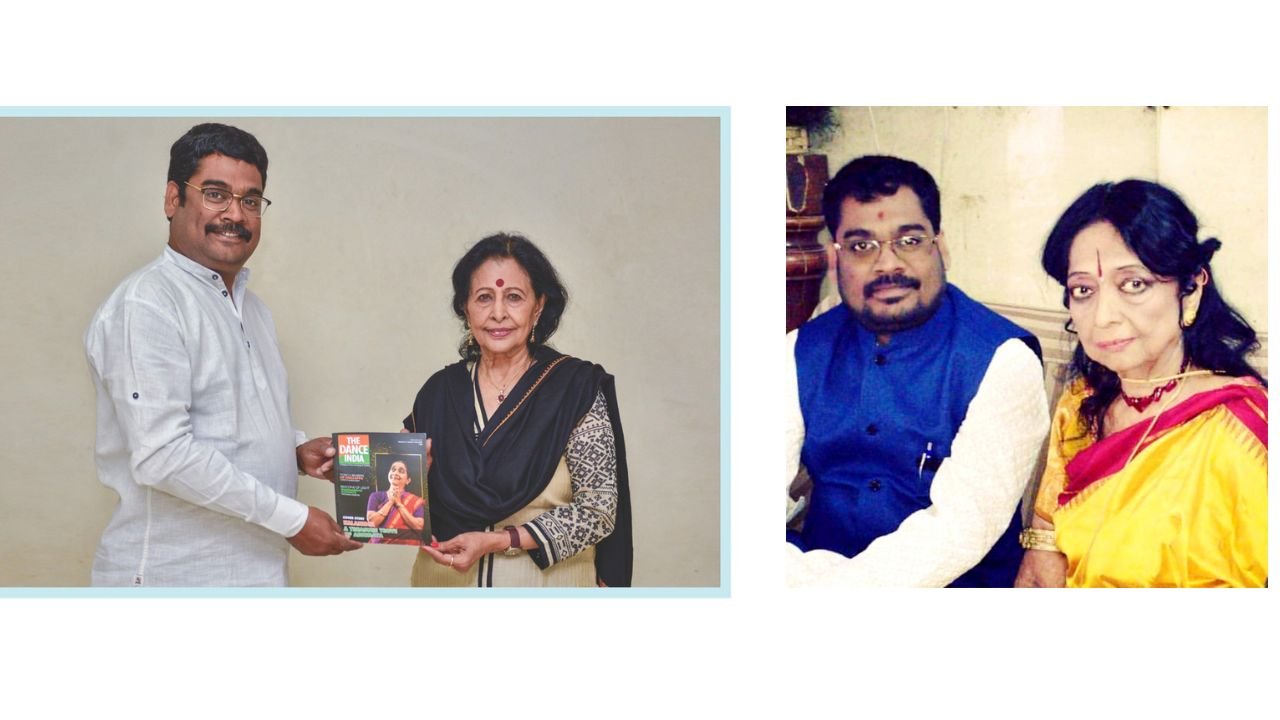
Through The Dance India, he has been involved in publishing material related to Indian dance, including artist profiles, cultural discussions, performance-related content and documentation.

Such publications can contribute to the historical record of the arts.

They also provide an opportunity to acknowledge artists whose contributions might otherwise receive limited documentation.

Copyright Awareness Among Young Artists

Young performers entering the digital world face a particularly complex environment.

Social media can help them reach audiences, promote performances and build professional visibility. At the same time, their creative material can be copied easily.

Developing copyright awareness early can help young artists understand the value of their own work and the rights of others.

For Vikram Kumar, cultural education should therefore include not only technique and performance but also professional responsibility.

Artists should learn to respect sources, provide appropriate credit and understand the importance of intellectual property.

Preservation Without Restricting Culture

There is also an important balance to maintain.

Indian classical arts are traditions that have survived because knowledge has been shared across generations.

Protecting artistic ownership should not mean preventing cultural learning or turning traditional knowledge into something inaccessible.

Vikram Kumar’s approach emphasises a balance between preservation and accessibility.

Traditional knowledge should remain available for learning, research and cultural continuity, while newly created artistic contributions should receive appropriate recognition.

The Digital Opportunity

Despite these concerns, Vikram Kumar does not view digital technology simply as a threat.

Online platforms can help traditional arts reach new audiences.

Recorded performances can preserve moments that might otherwise disappear. Digital publications can make research accessible. Online festivals can connect performers and audiences across geographical boundaries.

The challenge is to use these technologies responsibly.

Digital promotion should strengthen cultural preservation rather than undermine the rights of creators.

Building a Culture of Credit

One practical solution is greater attention to attribution.

When artists, choreographers, writers, photographers and researchers are properly credited, audiences can understand where cultural material comes from.

Credit also encourages accountability.

It helps establish a record of who contributed to a particular work and allows future researchers to trace its origins.

For traditional arts, where history and lineage are particularly important, this can have lasting value.

Institutional Responsibility

Cultural institutions also have a role to play.

Academies, festivals, publications and cultural organisations can establish practices that respect copyright and attribution.

The Nataraj Music and Dance Academy, founded by Vikram Kumar in 2000, represents one part of his larger institutional work.

Through training, festivals, seminars and cultural programmes, such organisations can introduce artists and students to the professional responsibilities associated with creative work.

Protecting the Future of Cultural Heritage

The debate over artistic ownership is ultimately connected with the future of cultural heritage.

If creators are repeatedly copied without recognition, artists may become discouraged from investing time and resources in new work.

If historical material is reproduced without context, cultural records can become distorted.

If sources are forgotten, future generations may struggle to distinguish authentic documentation from unattributed reproduction.

Protecting artistic ownership can therefore contribute to preservation itself.

A Broader Cultural Mission

Vikram Kumar’s advocacy is consistent with his broader philosophy that Indian classical arts must be preserved as a complete knowledge system.

That system includes performers, gurus, repertoire, literature, choreography, music, research, documentation and the histories of individual practitioners.

Respecting intellectual ownership becomes one component of this larger preservation effort.

Balancing Tradition, Technology and Rights

The digital age has fundamentally changed how culture is created, shared and consumed.

For Indian classical arts, this transformation offers enormous possibilities.

Artists can reach international audiences. Students can access performances. Researchers can discover archival material. Cultural organisations can conduct programmes online.

But these benefits become more sustainable when accompanied by responsible use.

Vikram Kumar B R’s emphasis on copyright and intellectual property awareness reflects this changing reality.

His message is ultimately about balance: make culture accessible, but do not erase the people who created, preserved and documented it.

As Indian classical arts continue to enter the digital era, such awareness could become increasingly important. For Vikram Kumar, protecting artistic ownership is not separate from cultural preservation—it is part of ensuring that India’s artistic heritage remains authentic, documented and respectful of the creators who carry it forward.

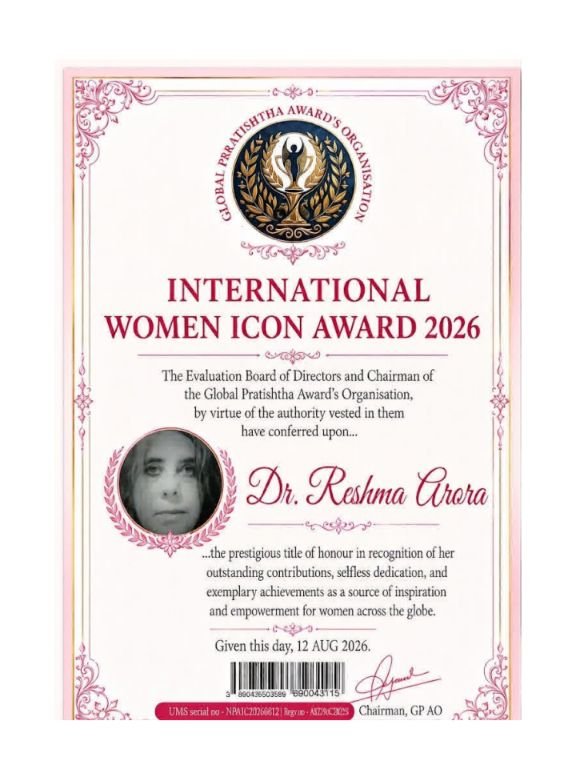
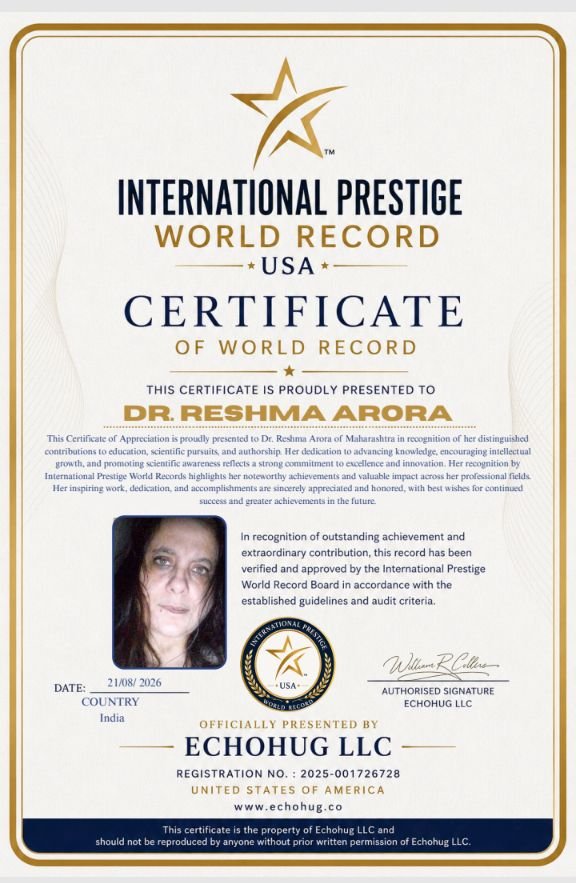
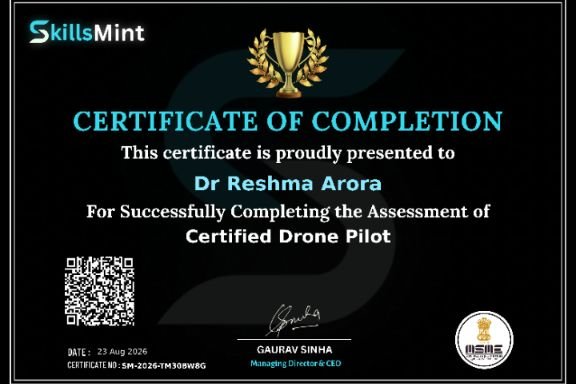
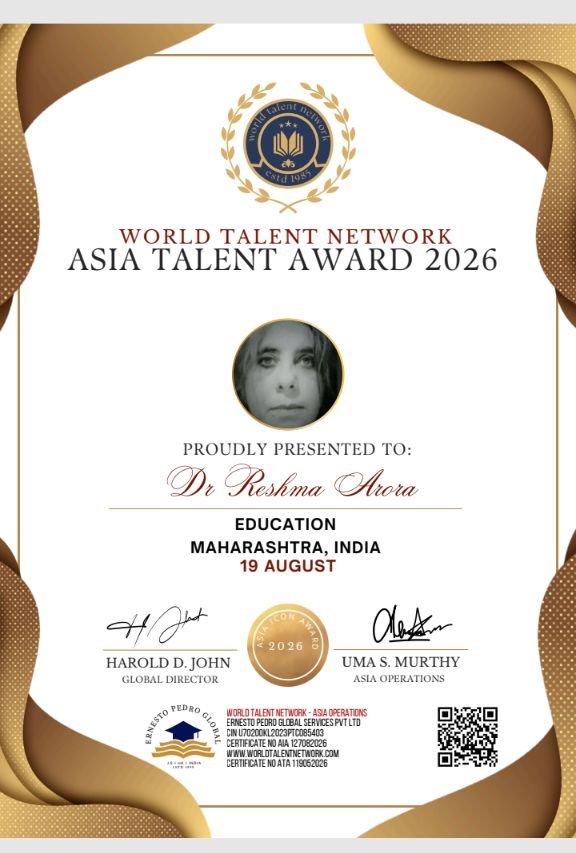
Dr. Reshma Arora’s Education and Mentorship Work Forms a Key Part of Her Multidisciplinary Career

0

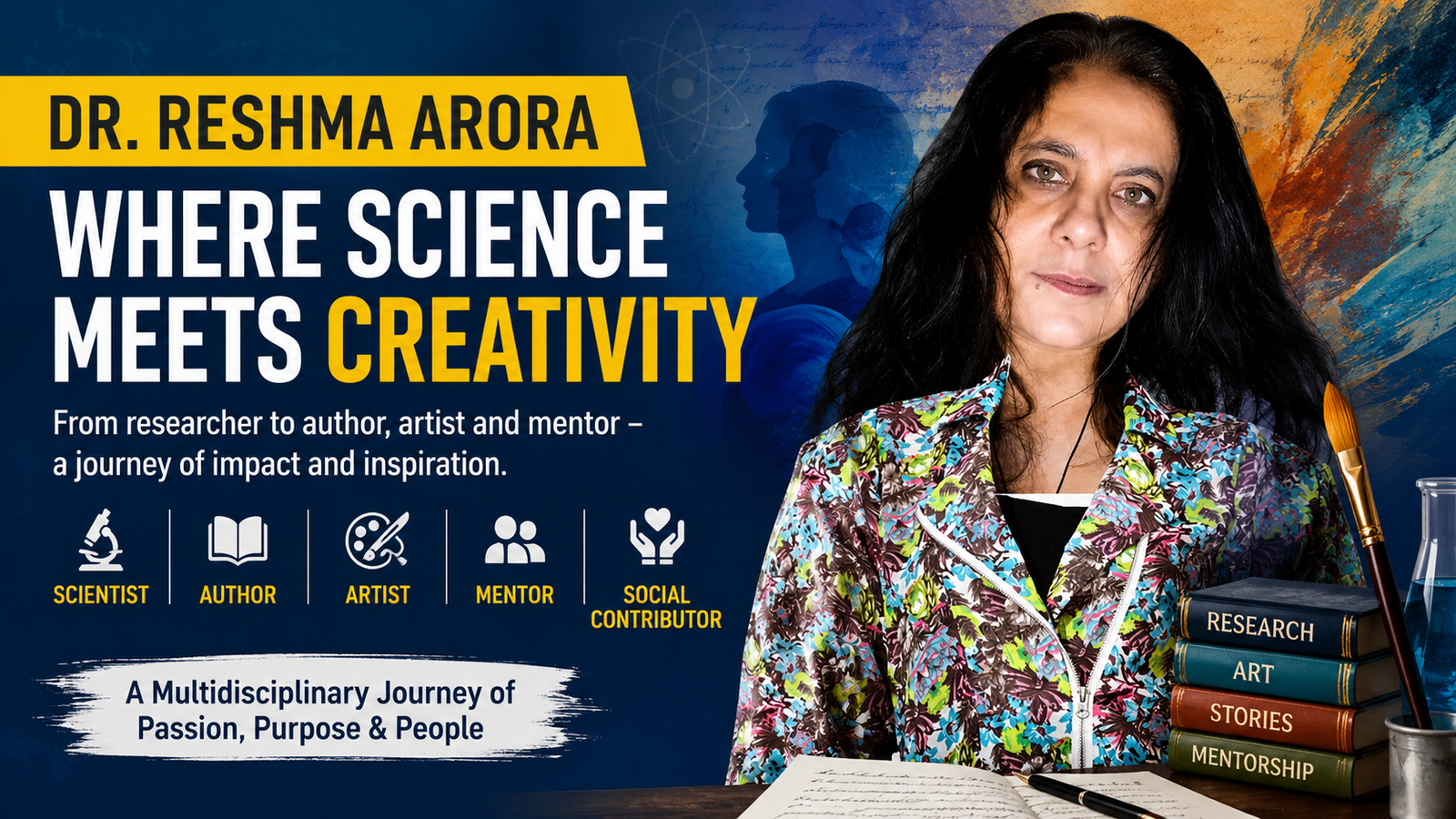
Maharashtra: Education and mentorship remain central themes in Dr. Reshma Arora’s multidisciplinary professional journey. Alongside her interests in science, research, authorship and technology, she has developed a profile that includes mentoring, professional development, literature, art and social advocacy.

According to information shared about her professional background, Arora is described as an educationist, scientist, researcher, author and mentor. Her scientific interests include mathematics, engineering, technology and science, while her wider professional interests include Human Resource Development (HRD), Creativity, Total Quality Management (TQM) and Law.

Her association with MicroMentor represents one component of her mentoring activities. Mentorship complements her work in education by providing another avenue for professional guidance, knowledge sharing and development.

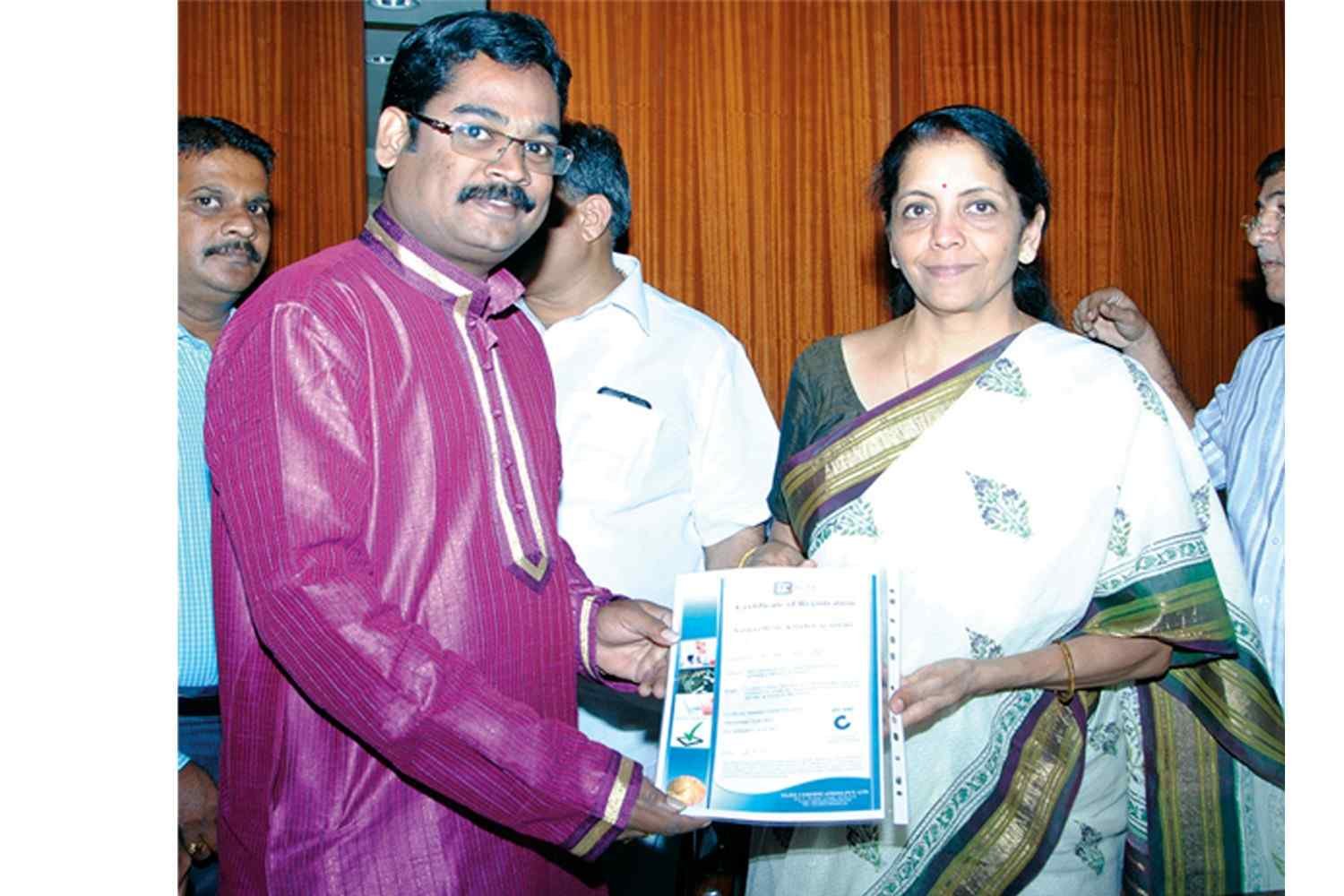
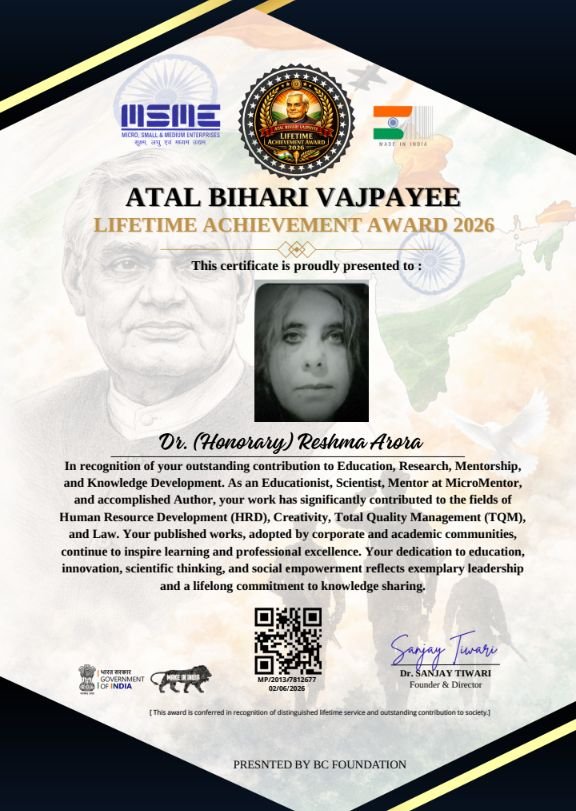
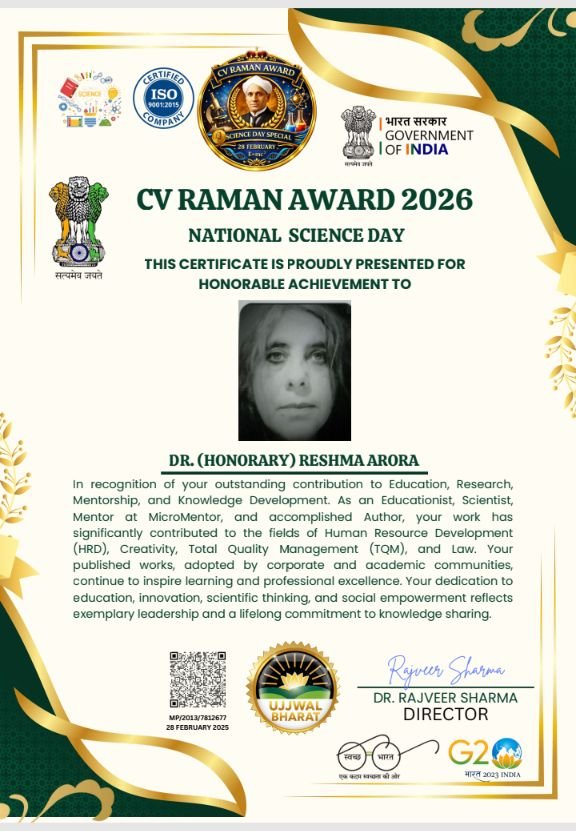
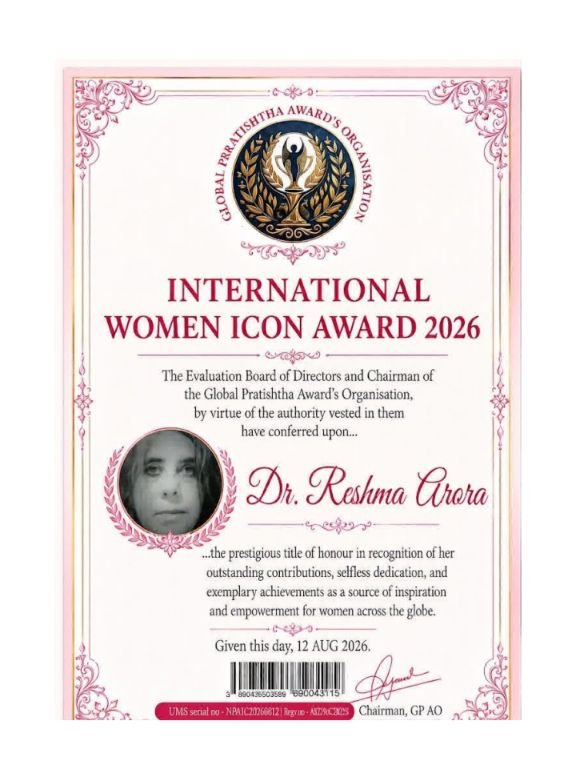
The CV Raman Award 2026, associated with National Science Day, specifically recognizes contributions to education, research, mentorship and knowledge development. The certificate identifies Arora as an educationist, scientist, mentor at MicroMentor and author.

Her educational profile has also been recognized through the Indian Literature Award 2026, presented by the Indian Literature & Arts Society in the Science & Education category for Maharashtra. The award highlights the connection between education and her work as an author.

In April 2026, Arora received the Padma Shree National Pride Award 2026, with the associated certificate citing education, mentorship, research and social advocacy. The recognition adds to the distinctions associated with her educational and professional activities.

The India Social Ambassador Award 2026 recognizes Arora as a scientist, author, educationist and advocate. The certificate references voluntary advocacy, sentience studies and animal rights, demonstrating that her interests extend beyond academic education into social concerns.

A Forbes Book of World Records certificate issued in March 2026 cites contributions and efforts in areas including arts, education and healthcare service. The certificate identifies Arora with Pune, Maharashtra, and highlights values including peace, humanity and harmony.

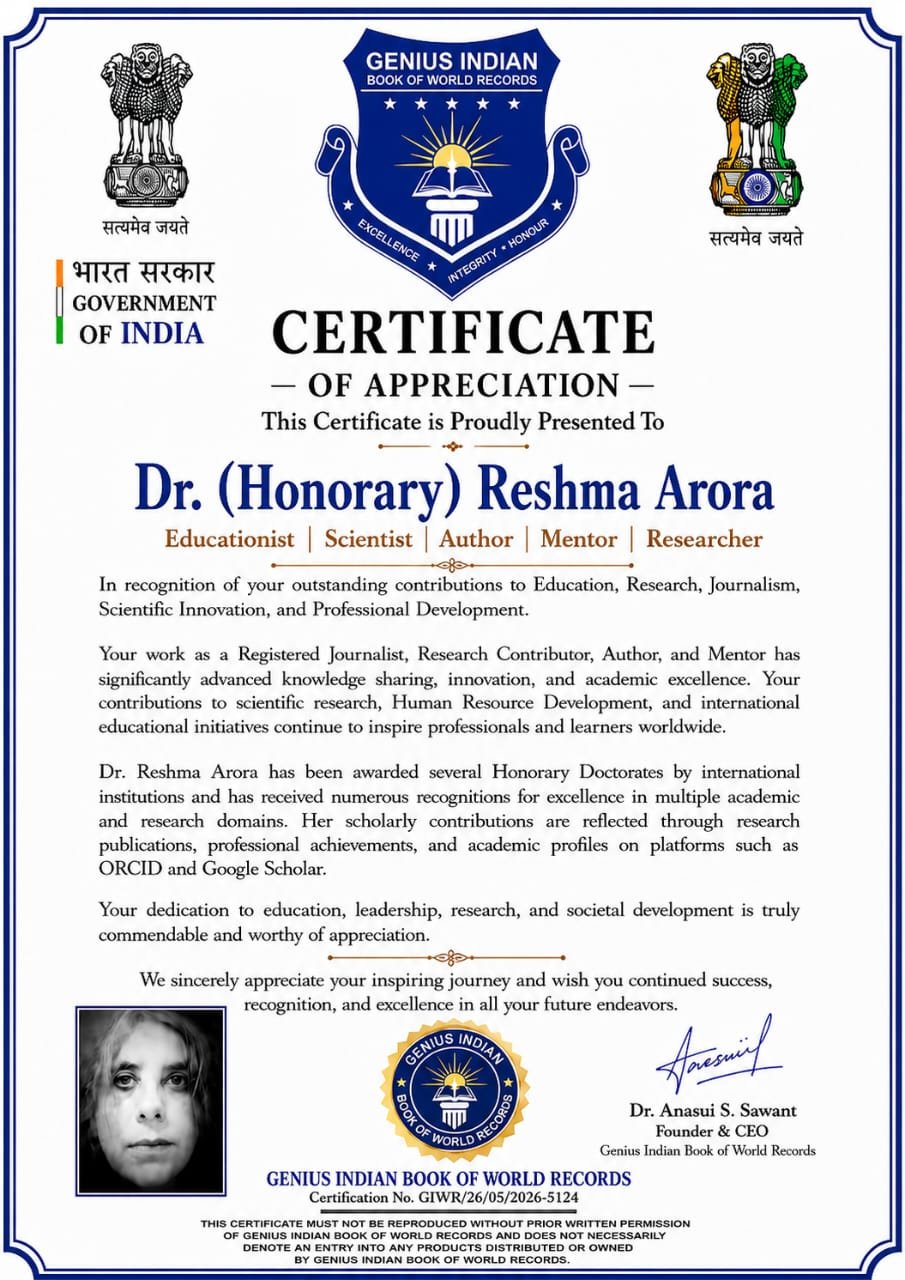
The Genius Indian Book of World Records has recognized Arora as an educationist, scientist, author, mentor and researcher. Its certificate references education, research, journalism, scientific innovation and professional development.

Arora is additionally described as a Life Fellow Member of the International Association for Academic and Scientific Development and as having received an Honorary Doctorate from Sahara Charitable.

Her educational interests are closely connected with authorship and creativity. Writing provides an avenue for communicating ideas and sharing knowledge, while painting and art add a creative dimension to her professional profile.

Her scientific interests further strengthen the academic side of her journey. Mathematics, engineering, technology and science are among the areas associated with her scientific profile, while research and innovation remain recurring themes in her recognitions.

Professional development is another important component. Her interests in HRD and TQM complement mentorship and education, reflecting an emphasis on learning and improvement.

Social advocacy adds a further dimension. Her voluntary advocacy interests, including animal rights and sentience studies, connect her educational and professional profile with wider social issues.

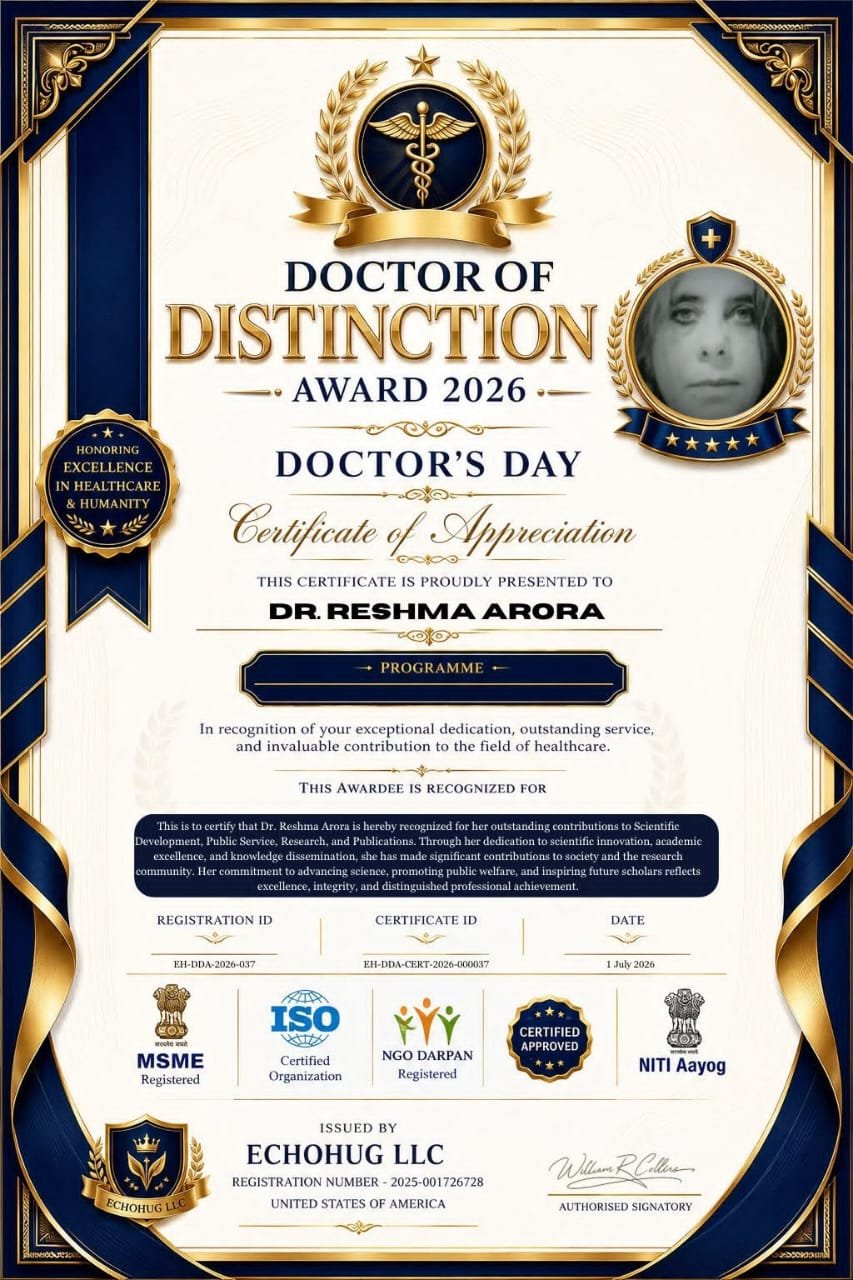
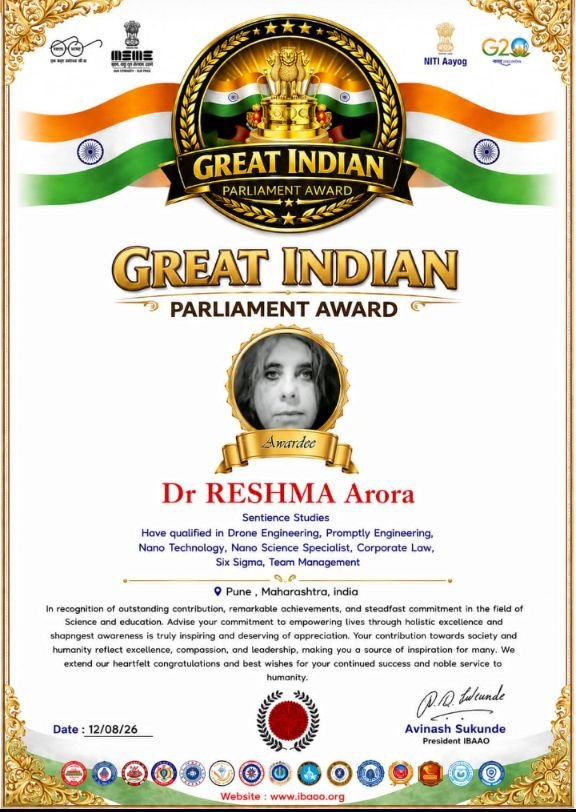
The various recognitions associated with Arora in 2026 collectively highlight education, science, research, mentorship, literature, arts, professional development and social advocacy.

Dr. Reshma Arora’s education and mentorship work therefore forms an important part of a career spanning multiple disciplines. Her role as an educator and mentor complements her scientific interests, research activities, authorship and advocacy, creating a professional profile centered on learning, knowledge sharing and development.


https://wikigenuine.org/index.php/Dr._Reshma_Arora

https://www.facebook.com/reshma.arora.12576

Dr. Reshma Arora’s Contributions to Literature, Art and Education Earn Recognition Through Indian Literature Award 2026


Dr. Reshma Arora’s Multidisciplinary Journey Bridges Science, Education, Research and Mentorship


Javed Khan Highlights the Growing Importance of Multilingual Outsourcing for Global Brokerages

London / Dubai / India — August 2026: As brokerage companies increasingly target customers in international markets, communication and operational support have become important elements of their business infrastructure. Serving a global customer base can require teams capable of working across multiple languages and time zones.

Javed Khan, Director of Prixim Global, discusses how the company’s outsourcing operations are helping international brokerage businesses address these requirements.

Q1: Why has multilingual outsourcing become important for brokerage companies?

Javed Khan: The brokerage industry has a strong international character. A company may have customers from several countries, each with different language preferences and support expectations.

Providing multilingual assistance can help businesses communicate with their customers more effectively and create a more accessible support environment.

Q2: How does Prixim Global provide multilingual outsourcing?

Javed Khan: We provide outsourcing services through our ForexOutsource brand from our India Delivery Center. We have already catered to more than 30 brokerage companies.

Our teams support businesses in multiple languages and across 24×7 time zones, allowing international brokers to maintain operational coverage for their customers.

Q3: What functions can brokerage companies outsource to ForexOutsource?

Javed Khan: Our services can cover customer care, live chat and email support, technical support, KYC and reporting, server management and complaint management. The scope is determined according to the operational requirements of the client.

Q4: How does multilingual support work alongside 24×7 coverage?

Javed Khan: These two capabilities are complementary. International businesses may have customers requiring assistance at different times and in different languages. A flexible delivery model allows support to be organized according to those requirements.

Q5: What role does the India Delivery Center play in your operations?

Javed Khan: It is the foundation of our outsourcing delivery model. It allows us to build dedicated teams and provide operational services to international clients. India also provides access to a large professional talent pool.

Q6: Does Prixim Global also provide technology solutions for brokers?

Javed Khan: Yes. Our technology services include MT5, Match-Trader, PriximTrader and prop trading technology, as well as hosting, CRM, website development and DevOps.

Q7: Why is it useful to combine technology and outsourcing under one service ecosystem?

Javed Khan: Brokerage businesses have interconnected requirements. Technology and operations need to work together. By offering both capabilities, we can understand the broader requirements of the business and provide support across different areas.

Q8: What is your vision for ForexOutsource?

Javed Khan: We want ForexOutsource to continue developing as a dedicated outsourcing partner for brokerage businesses, with a strong focus on multilingual support, operational efficiency and international coverage.

Q9: And what is the broader vision for Prixim Global?

Javed Khan: Our objective is to continue strengthening Prixim Global as a technology and outsourcing partner for the global brokerage and fintech ecosystem.

About Prixim Global

Prixim Global, led by Director Javed Khan, provides technology, outsourcing and integration solutions to brokerage, forex, fintech and prop trading businesses. Through its ForexOutsource brand, the company’s India Delivery Center has catered to over 30 brokerage companies, providing multilingual and 24×7 timezone support.

*For more information, visit

https://www.instagram.com/priximglobal

https://x.com/prixim_global

priximglobal.com